

DDP is attractive because it can turn a fragmented international shipment into one coordinated door-to-door operating plan. For an importer, that can reduce the number of handoffs to manage. It does not, however, remove the need to understand what has been quoted, who is responsible for customs data, how duties and taxes are handled, and which charges remain outside the agreed scope.
The most useful way to evaluate DDP is to treat it as a service design rather than a three-letter promise. Two quotations labeled DDP can include different origin pickup assumptions, different billing-weight rules, different customs arrangements and different delivery conditions. A professional comparison therefore starts with the cargo facts and the destination requirements, not only the final number.
For buyers importing from China to the United States, Canada, the United Kingdom, Europe, Australia or the Middle East, DDP can work particularly well when the forwarder has a defined origin workflow and dependable destination coordination. It is less suitable when the importer requires direct control over customs brokerage, specific importer-of-record arrangements or very granular visibility over every individual charge.
What DDP actually means in day-to-day freight operations
DDP is the Incoterm with the broadest seller-side delivery obligation, but freight-forwarding practice still depends on the commercial setup between seller, buyer and service provider. For commercial teams, the practical implication is that scope must be written down before cargo moves. If the shipment changes after pickup, the importer should expect the operating plan and sometimes the price to be reviewed rather than assuming the original quote covers every new condition.
The freight quote should identify where cargo is collected, whether export formalities are included, the international mode, destination clearance coordination and the final delivery point. For commercial teams, the practical implication is that scope must be written down before cargo moves. If the shipment changes after pickup, the importer should expect the operating plan and sometimes the price to be reviewed rather than assuming the original quote covers every new condition.
A door address alone is not enough. Residential restrictions, appointment delivery, tail-lift requirements, Amazon or retailer receiving rules and remote-area access can all change the operating plan. For commercial teams, the practical implication is that scope must be written down before cargo moves. If the shipment changes after pickup, the importer should expect the operating plan and sometimes the price to be reviewed rather than assuming the original quote covers every new condition.
Importers should separate Incoterm responsibility from the forwarder’s service scope. The contract of sale and the logistics quotation are related, but they are not the same document. For commercial teams, the practical implication is that scope must be written down before cargo moves. If the shipment changes after pickup, the importer should expect the operating plan and sometimes the price to be reviewed rather than assuming the original quote covers every new condition.
How DDP shipping from China is normally built
Origin pickup can begin at one factory or several suppliers. Multi-supplier cargo often benefits from a China warehouse stop before international departure. For commercial teams, the practical implication is that scope must be written down before cargo moves. If the shipment changes after pickup, the importer should expect the operating plan and sometimes the price to be reviewed rather than assuming the original quote covers every new condition.
Warehouse receiving gives the forwarder a chance to count cartons, verify dimensions, photograph cargo, relabel and consolidate before billing weight or container planning is finalized. For commercial teams, the practical implication is that scope must be written down before cargo moves. If the shipment changes after pickup, the importer should expect the operating plan and sometimes the price to be reviewed rather than assuming the original quote covers every new condition.
International movement may use air, sea, rail, truck or multimodal combinations depending on destination, cargo profile and urgency. DDP is not a transport mode by itself. For commercial teams, the practical implication is that scope must be written down before cargo moves. If the shipment changes after pickup, the importer should expect the operating plan and sometimes the price to be reviewed rather than assuming the original quote covers every new condition.
Destination handling then connects arrival, customs activity and final-mile delivery. The more complex the delivery location, the more important it is to define the handoff before cargo leaves China. For commercial teams, the practical implication is that scope must be written down before cargo moves. If the shipment changes after pickup, the importer should expect the operating plan and sometimes the price to be reviewed rather than assuming the original quote covers every new condition.
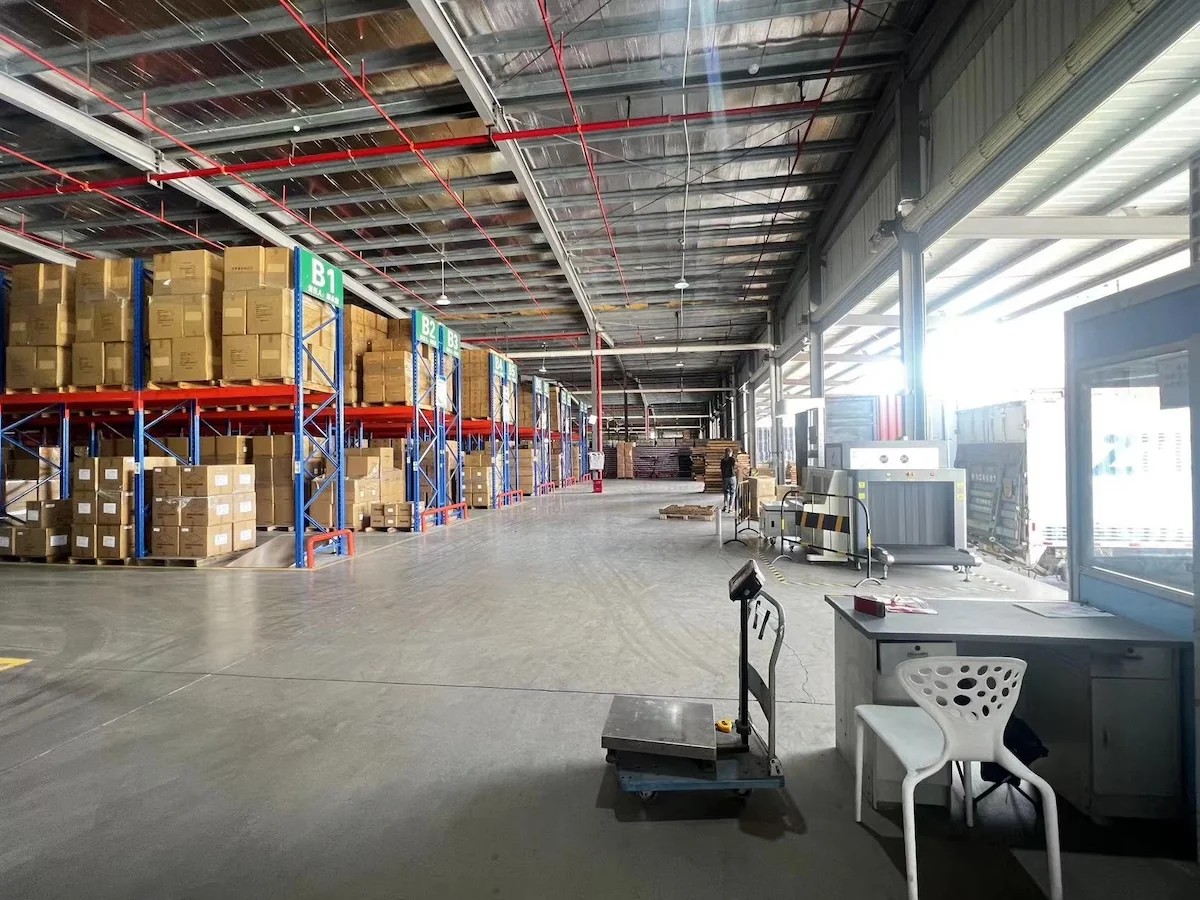
The cost components importers should confirm
Origin pickup, receiving, export handling and consolidation can be separate cost drivers even when the quote is presented as one total. For commercial teams, the practical implication is that scope must be written down before cargo moves. If the shipment changes after pickup, the importer should expect the operating plan and sometimes the price to be reviewed rather than assuming the original quote covers every new condition.
Air and express services are sensitive to volumetric weight. Sea LCL is influenced by chargeable volume, minimums, terminal handling and destination charges. FCL is influenced by equipment, port, drayage and delivery conditions. For commercial teams, the practical implication is that scope must be written down before cargo moves. If the shipment changes after pickup, the importer should expect the operating plan and sometimes the price to be reviewed rather than assuming the original quote covers every new condition.
Duties, import taxes, customs brokerage or disbursement mechanisms must be described clearly. A quote that says “tax included” without explaining the basis deserves more questions. For commercial teams, the practical implication is that scope must be written down before cargo moves. If the shipment changes after pickup, the importer should expect the operating plan and sometimes the price to be reviewed rather than assuming the original quote covers every new condition.
Final-mile charges can change because of remote areas, waiting time, limited access, appointments, redelivery, liftgate requirements or non-standard receiving procedures. For commercial teams, the practical implication is that scope must be written down before cargo moves. If the shipment changes after pickup, the importer should expect the operating plan and sometimes the price to be reviewed rather than assuming the original quote covers every new condition.
Documents and data that make DDP work smoothly

A commercial invoice should describe the goods accurately, show the transaction value and match the shipment parties and trade terms. For commercial teams, the practical implication is that scope must be written down before cargo moves. If the shipment changes after pickup, the importer should expect the operating plan and sometimes the price to be reviewed rather than assuming the original quote covers every new condition.
A packing list should give carton count, net and gross weight, dimensions and package details in a way that can be reconciled with the physical shipment. For commercial teams, the practical implication is that scope must be written down before cargo moves. If the shipment changes after pickup, the importer should expect the operating plan and sometimes the price to be reviewed rather than assuming the original quote covers every new condition.
Commodity descriptions and HS classifications should be reviewed before dispatch. Customs problems often begin with vague descriptions, inconsistent values or missing product information. For commercial teams, the practical implication is that scope must be written down before cargo moves. If the shipment changes after pickup, the importer should expect the operating plan and sometimes the price to be reviewed rather than assuming the original quote covers every new condition.
Regulated products can require additional certificates, licenses, test reports, labeling evidence or product-specific filings. DDP does not remove those product obligations. For commercial teams, the practical implication is that scope must be written down before cargo moves. If the shipment changes after pickup, the importer should expect the operating plan and sometimes the price to be reviewed rather than assuming the original quote covers every new condition.
When DDP is a strong fit
DDP can be attractive for e-commerce replenishment, commercial inventory and buyers that prefer one logistics coordinator rather than multiple vendors. For commercial teams, the practical implication is that scope must be written down before cargo moves. If the shipment changes after pickup, the importer should expect the operating plan and sometimes the price to be reviewed rather than assuming the original quote covers every new condition.
It can also help smaller import teams that do not maintain dedicated customs and transportation staff in every destination market. For commercial teams, the practical implication is that scope must be written down before cargo moves. If the shipment changes after pickup, the importer should expect the operating plan and sometimes the price to be reviewed rather than assuming the original quote covers every new condition.
For multi-supplier shipments, DDP combined with China-side consolidation can reduce operational fragmentation before the shipment enters the international network. For commercial teams, the practical implication is that scope must be written down before cargo moves. If the shipment changes after pickup, the importer should expect the operating plan and sometimes the price to be reviewed rather than assuming the original quote covers every new condition.
The strongest use case is usually predictable commercial cargo with clear documents, known delivery conditions and a forwarder that can explain the destination workflow. For commercial teams, the practical implication is that scope must be written down before cargo moves. If the shipment changes after pickup, the importer should expect the operating plan and sometimes the price to be reviewed rather than assuming the original quote covers every new condition.
When importers should consider another structure
Importers with their own customs broker, duty programs or sophisticated landed-cost controls may prefer FOB, FCA or DAP structures that preserve more direct control. For commercial teams, the practical implication is that scope must be written down before cargo moves. If the shipment changes after pickup, the importer should expect the operating plan and sometimes the price to be reviewed rather than assuming the original quote covers every new condition.
High-value or highly regulated goods may require a customs and compliance structure that should be designed separately from the freight quote. For commercial teams, the practical implication is that scope must be written down before cargo moves. If the shipment changes after pickup, the importer should expect the operating plan and sometimes the price to be reviewed rather than assuming the original quote covers every new condition.
Large FCL programs with established carrier contracts can also benefit from direct procurement and separate destination services. For commercial teams, the practical implication is that scope must be written down before cargo moves. If the shipment changes after pickup, the importer should expect the operating plan and sometimes the price to be reviewed rather than assuming the original quote covers every new condition.
If a forwarder cannot explain who performs destination clearance and how exceptions are handled, the convenience of DDP may not justify the uncertainty. For commercial teams, the practical implication is that scope must be written down before cargo moves. If the shipment changes after pickup, the importer should expect the operating plan and sometimes the price to be reviewed rather than assuming the original quote covers every new condition.

Risk controls before cargo leaves China
Confirm the legal consignee/import setup, product description, declared value and destination restrictions before pickup. For commercial teams, the practical implication is that scope must be written down before cargo moves. If the shipment changes after pickup, the importer should expect the operating plan and sometimes the price to be reviewed rather than assuming the original quote covers every new condition.
Ask the forwarder to state whether the rate is based on estimated or warehouse-confirmed weight and dimensions. For commercial teams, the practical implication is that scope must be written down before cargo moves. If the shipment changes after pickup, the importer should expect the operating plan and sometimes the price to be reviewed rather than assuming the original quote covers every new condition.
Request a written list of exclusions such as storage, inspections, demurrage, detention, redelivery, remote-area surcharges and special handling. For commercial teams, the practical implication is that scope must be written down before cargo moves. If the shipment changes after pickup, the importer should expect the operating plan and sometimes the price to be reviewed rather than assuming the original quote covers every new condition.
Agree the communication path for customs questions, schedule changes and delivery exceptions so decisions do not wait for emails to find the right person. For commercial teams, the practical implication is that scope must be written down before cargo moves. If the shipment changes after pickup, the importer should expect the operating plan and sometimes the price to be reviewed rather than assuming the original quote covers every new condition.
A practical DDP decision framework
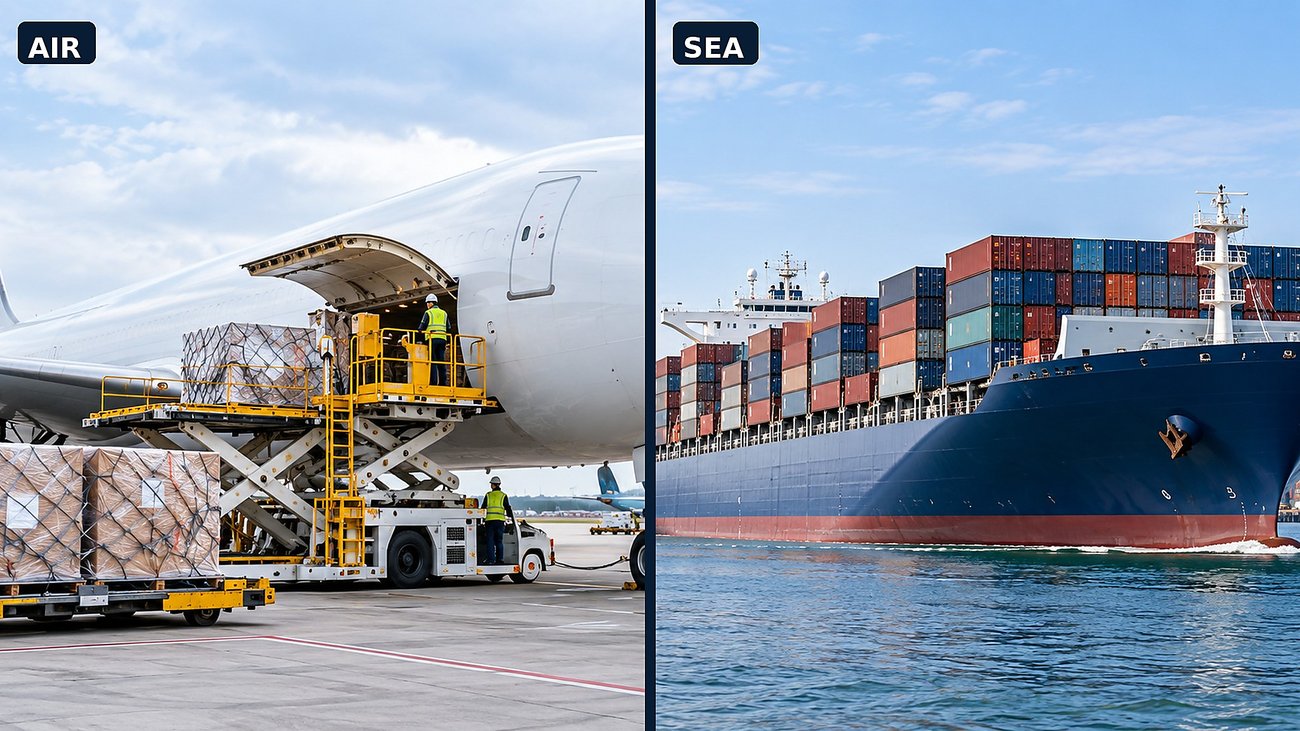
Start with cargo characteristics: commodity, cartons, weight, dimensions, batteries or dangerous goods status and whether any product approvals apply. For commercial teams, the practical implication is that scope must be written down before cargo moves. If the shipment changes after pickup, the importer should expect the operating plan and sometimes the price to be reviewed rather than assuming the original quote covers every new condition.
Then define the commercial destination: warehouse, FBA facility, retailer DC, business address or another controlled receiving point. For commercial teams, the practical implication is that scope must be written down before cargo moves. If the shipment changes after pickup, the importer should expect the operating plan and sometimes the price to be reviewed rather than assuming the original quote covers every new condition.
Compare at least two realistic service structures, not just two prices. The cheapest DDP route can become expensive if it creates inventory risk or poor exception handling. For commercial teams, the practical implication is that scope must be written down before cargo moves. If the shipment changes after pickup, the importer should expect the operating plan and sometimes the price to be reviewed rather than assuming the original quote covers every new condition.
Finally, decide what the importer wants to control directly and what can be delegated. DDP is valuable when delegation is intentional and transparent. For commercial teams, the practical implication is that scope must be written down before cargo moves. If the shipment changes after pickup, the importer should expect the operating plan and sometimes the price to be reviewed rather than assuming the original quote covers every new condition.
Decision table
| Decision area | What to confirm | Why it matters |
|---|---|---|
| Cargo facts | Commodity, cartons, actual weight, dimensions and handling characteristics | Freight pricing and carrier acceptance depend on the physical shipment, not only the purchase order. |
| Route scope | Pickup point, main mode, gateway and final delivery point | Two quotes are not comparable if they cover different segments of the journey. |
| Customs data | Description, value, classification, origin and importer/broker setup | Clean customs data reduces avoidable questions and supports landed-cost planning. |
| Inventory date | Required receipt date and acceptable schedule buffer | Mode and routing should protect the business requirement, not only minimize transport spend. |
| Exceptions | Storage, inspection, delay, redelivery and escalation process | A clear exception plan reduces surprise cost and decision time when the shipment deviates from plan. |
Importer checklist

- Confirm the exact pickup and delivery addresses.
- Provide carton count, actual weight and dimensions.
- Describe the commodity in plain commercial language.
- Confirm batteries, magnets, liquids, powders or other restricted characteristics.
- Agree whether duties and taxes are included and on what basis.
- Ask for exclusions and exception charges in writing.
- Confirm importer/consignee structure for the destination country.
- Validate delivery appointment or warehouse receiving requirements.
How the decision changes by destination market
United States
For the United States, combine freight planning with importer-of-record, customs-broker, tariff and final receiving requirements. Port or airport choice should be evaluated against domestic delivery, not in isolation. E-commerce and retailer programs can add appointment, labeling and compliance steps that deserve their own lead time. The same principle applies here: compare the complete operating chain and confirm market-specific requirements before cargo is committed to a route.
Canada
For Canada, destination geography can make final-mile cost a major share of the total shipment. Confirm customs and tax handling, then compare gateways based on the actual delivery province and warehouse rather than assuming the nearest international gateway is always best. The same principle applies here: compare the complete operating chain and confirm market-specific requirements before cargo is committed to a route.
United Kingdom
For the United Kingdom, treat customs and tax planning as a distinct destination workflow rather than an extension of EU processes. The consignee/importer setup, commodity data and final delivery appointment should be clear before departure. The same principle applies here: compare the complete operating chain and confirm market-specific requirements before cargo is committed to a route.
European Union
For EU destinations, customs, VAT structure, product regulation and intra-European distribution can interact. The best arrival gateway for a regional supply chain may differ from the country where the goods are ultimately sold, so legal and logistics planning should be aligned. The same principle applies here: compare the complete operating chain and confirm market-specific requirements before cargo is committed to a route.
Australia
For Australia, biosecurity and product-specific import conditions can be as important as the freight mode. Packaging materials, cargo cleanliness and accurate declarations should be reviewed early for relevant goods. The same principle applies here: compare the complete operating chain and confirm market-specific requirements before cargo is committed to a route.
UAE and Gulf markets
For the UAE and Gulf markets, door-delivery planning should reflect destination customs requirements, consignee readiness and local receiving conditions. Commercial-document accuracy and a clear final-mile contact reduce avoidable handoff delays. The same principle applies here: compare the complete operating chain and confirm market-specific requirements before cargo is committed to a route.
Frequently asked questions
Is DDP always the cheapest option?
No. DDP is primarily about responsibility and coordination. It can be efficient, but another Incoterm or freight structure may be cheaper or provide better control for a particular importer.
Does DDP include customs duties?
Under the Incoterm concept the seller has broad import responsibility, but a freight quotation still needs to state exactly how duties, taxes and customs services are handled.
Can DDP be used for Amazon FBA?
It can be used on eligible routes, but the shipment still needs to meet Amazon receiving, labeling, appointment and importer requirements.
How is DDP air freight billed?
Air and many door-to-door services use chargeable weight, which is normally the higher of actual weight and volumetric weight under the applicable divisor.
What causes DDP quotes to change?
Common causes include warehouse-confirmed dimensions, commodity changes, customs requirements, remote delivery, inspections, storage and peak-capacity changes.
Should I use DDP for regulated goods?
Only after the regulatory and importer structure has been reviewed. The freight term does not replace product compliance obligations.
Next steps
Before requesting a final freight rate, prepare the shipment facts and decide which trade-offs matter most: cost, timing, control, customs responsibility, delivery complexity or inventory risk. YUJINTONG can then review the cargo and build a route around those constraints rather than forcing every shipment into the same template.
Related resources: DDP shipping service · Volumetric weight calculator · Request a freight review