
Sea Freight from China
Cost-efficient ocean shipping for larger cargo with consolidation, export handling and destination delivery options.
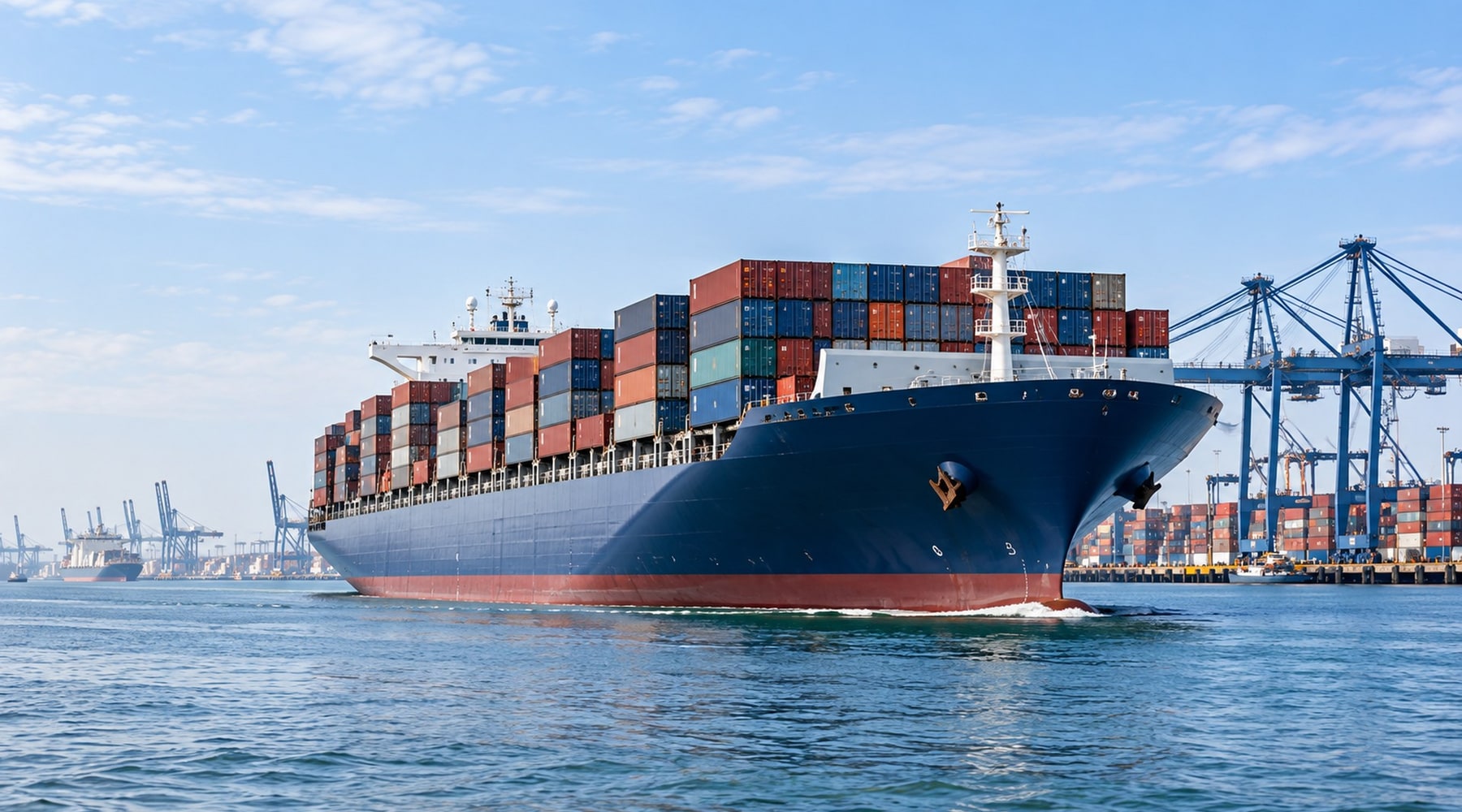
Choose around the operating requirement, not only the quoted rate.
The most suitable mode depends on shipment size, dimensions, urgency, destination, commodity and the delivery scope the importer actually needs.
FCL and LCL
Choose full-container or consolidation routes based on cargo volume and timing.
Volume-friendly
Designed for larger planned shipments where unit freight cost matters.
Door delivery options
Add destination coordination and final delivery on eligible lanes.
Build one executable shipment plan.
International transport works better when the steps around it are defined before cargo moves. YUJINTONG can connect supplier pickup, warehouse receiving, measurement, export preparation, freight and the destination handoff under one shipment record.
- Supplier pickup or warehouse receiving
- Weight, dimensions and carton confirmation
- Labeling, repacking or consolidation where required
- International freight booking and milestone updates
- Destination handoff or final delivery when included
A repeatable freight workflow.
Plan volume
Review CBM, carton count, pallets and container requirements.
Consolidate cargo
Receive one or multiple suppliers before export if required.
Ocean departure
Move by LCL or FCL through the selected China port.
Destination handling
Coordinate arrival, customs scope and final delivery.
Use the same shipment data from estimate to tracking.
Online tools reduce repeated data entry. They do not replace operational review when cargo, route or compliance details require human attention.
Cost-efficient ocean shipping for larger cargo with consolidation, export handling and destination delivery options.
FCL and LCL: Choose full-container or consolidation routes based on cargo volume and timing.
Volume-friendly: Designed for larger planned shipments where unit freight cost matters.
Door delivery options: Add destination coordination and final delivery on eligible lanes.
Start with the cargo details.
Get a planning estimate first, then create a booking or ask the freight team to review special requirements.