
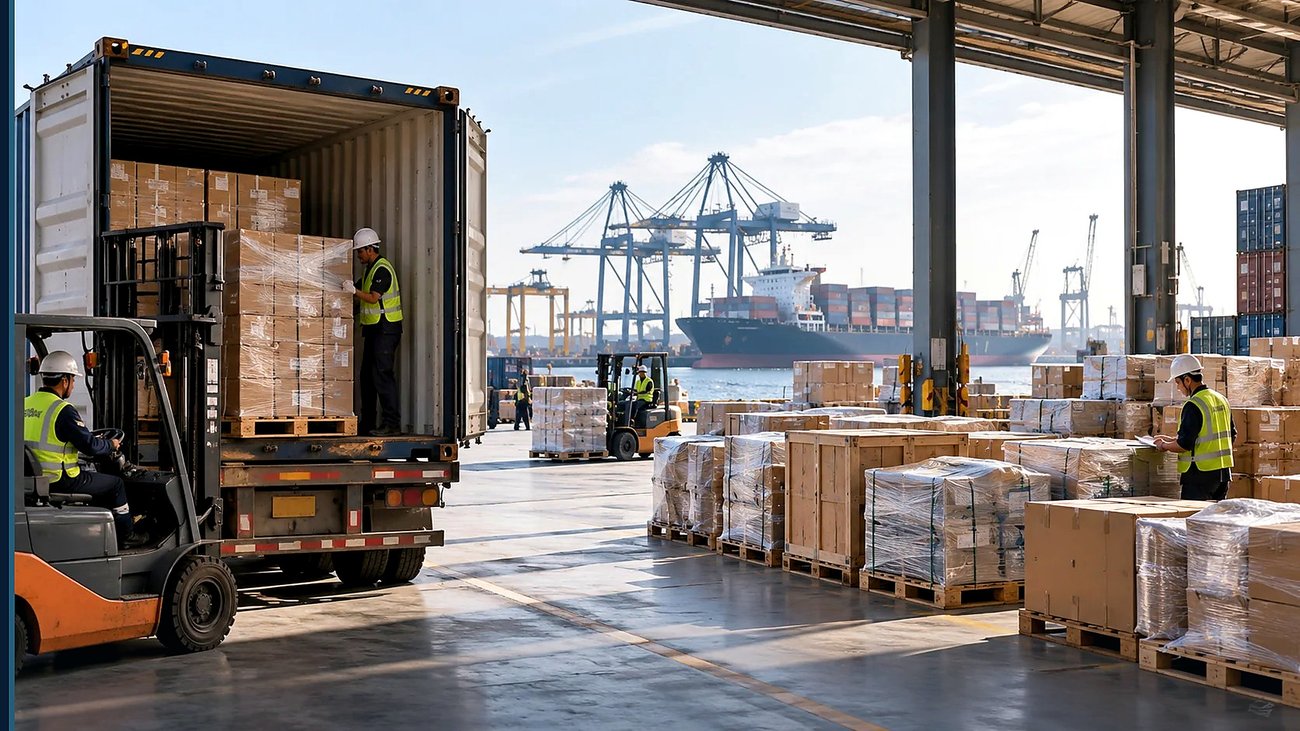
FCL and LCL are not simply “large shipment” and “small shipment” choices. They are different operating models. FCL gives one shipper use of a container; LCL combines multiple shippers in a consolidation. That difference changes how cargo is handled, how costs are built and where delays can occur.
The right choice depends on volume, density, cargo sensitivity, origin timing, destination handling and total door cost. Importers should compare the complete workflow rather than using one universal CBM threshold.
Understand the operating difference
FCL cargo is loaded into a container assigned to one shipper, although the container can still hold multiple SKUs or suppliers if consolidated first. For ocean planning, the implication is to compare the whole door-to-door chain. Port events, consolidation, free time, customs and final delivery can matter as much as the vessel schedule, especially when inventory is moving into a time-sensitive sales or production program.
LCL cargo is delivered to a consolidation facility, grouped with other shipments, loaded into a shared container and separated again after arrival. For ocean planning, the implication is to compare the whole door-to-door chain. Port events, consolidation, free time, customs and final delivery can matter as much as the vessel schedule, especially when inventory is moving into a time-sensitive sales or production program.
Every extra handling point can create both flexibility and risk. LCL makes ocean freight accessible to smaller volumes, while FCL gives more control over the container environment. For ocean planning, the implication is to compare the whole door-to-door chain. Port events, consolidation, free time, customs and final delivery can matter as much as the vessel schedule, especially when inventory is moving into a time-sensitive sales or production program.
The decision should consider origin and destination handling in addition to the ocean leg. For ocean planning, the implication is to compare the whole door-to-door chain. Port events, consolidation, free time, customs and final delivery can matter as much as the vessel schedule, especially when inventory is moving into a time-sensitive sales or production program.
How FCL costs behave
FCL has a container-level freight cost plus origin, port, documentation, destination and delivery charges. For ocean planning, the implication is to compare the whole door-to-door chain. Port events, consolidation, free time, customs and final delivery can matter as much as the vessel schedule, especially when inventory is moving into a time-sensitive sales or production program.
As the container is filled more efficiently, the effective freight cost per cubic meter often falls. For ocean planning, the implication is to compare the whole door-to-door chain. Port events, consolidation, free time, customs and final delivery can matter as much as the vessel schedule, especially when inventory is moving into a time-sensitive sales or production program.
Poor cube utilization can make FCL look expensive even when it offers operational advantages. For ocean planning, the implication is to compare the whole door-to-door chain. Port events, consolidation, free time, customs and final delivery can matter as much as the vessel schedule, especially when inventory is moving into a time-sensitive sales or production program.
Equipment type, routing, peak demand and final drayage conditions can materially affect the total cost. For ocean planning, the implication is to compare the whole door-to-door chain. Port events, consolidation, free time, customs and final delivery can matter as much as the vessel schedule, especially when inventory is moving into a time-sensitive sales or production program.
How LCL costs behave
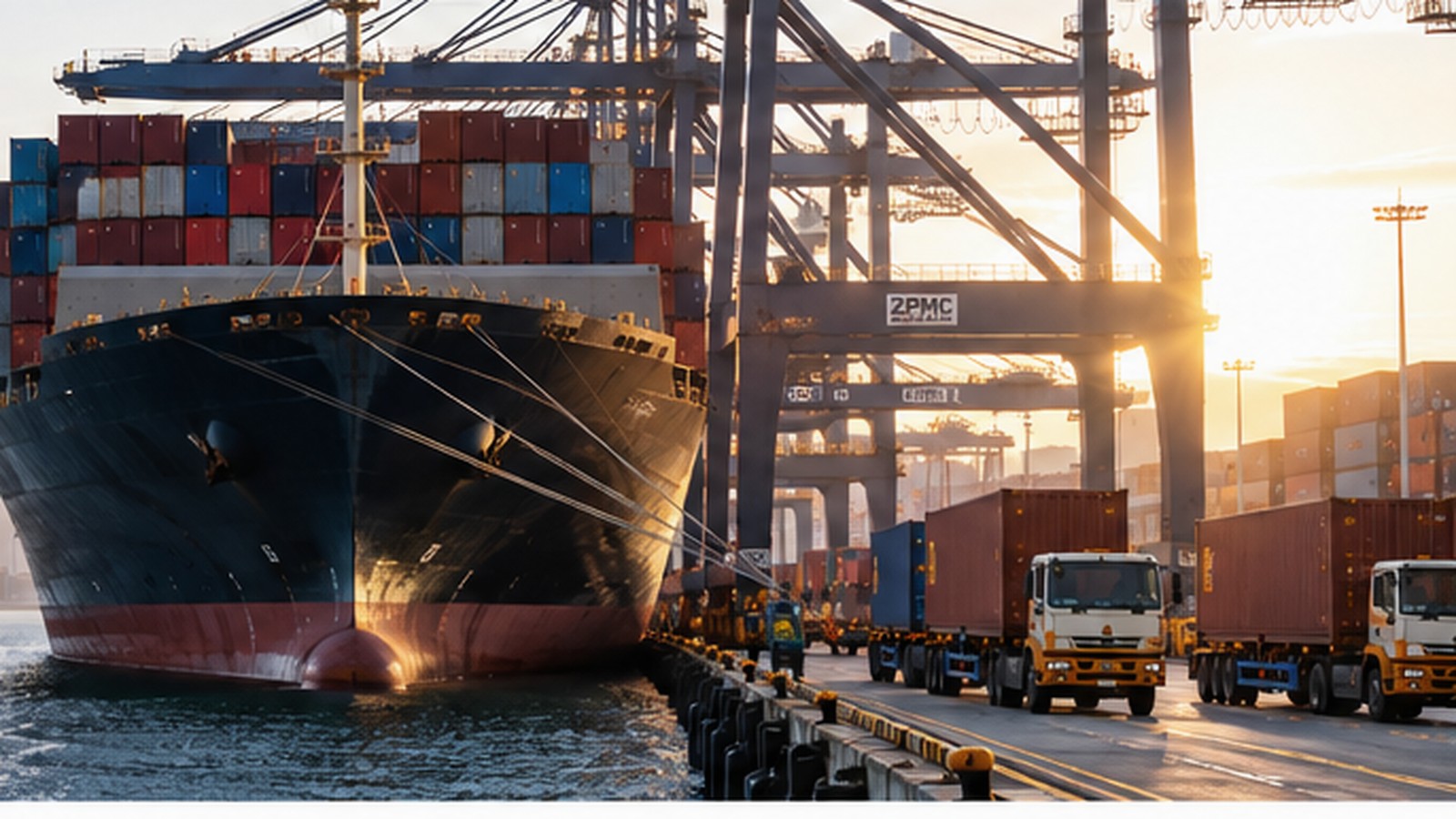
LCL is usually priced by chargeable volume or weight with minimums and separate consolidation/deconsolidation charges. For ocean planning, the implication is to compare the whole door-to-door chain. Port events, consolidation, free time, customs and final delivery can matter as much as the vessel schedule, especially when inventory is moving into a time-sensitive sales or production program.
Destination fees can be a large share of the total for small LCL shipments, which is why port-to-port comparisons can be misleading. For ocean planning, the implication is to compare the whole door-to-door chain. Port events, consolidation, free time, customs and final delivery can matter as much as the vessel schedule, especially when inventory is moving into a time-sensitive sales or production program.
Dense cargo and lightweight bulky cargo can behave differently under the carrier’s billing rules. For ocean planning, the implication is to compare the whole door-to-door chain. Port events, consolidation, free time, customs and final delivery can matter as much as the vessel schedule, especially when inventory is moving into a time-sensitive sales or production program.
The buyer should ask for a door-to-door comparison when the final delivery location is known. For ocean planning, the implication is to compare the whole door-to-door chain. Port events, consolidation, free time, customs and final delivery can matter as much as the vessel schedule, especially when inventory is moving into a time-sensitive sales or production program.
Transit time and schedule reliability
FCL can move directly from the shipper or consolidation warehouse into the container and avoid the LCL deconsolidation step. For ocean planning, the implication is to compare the whole door-to-door chain. Port events, consolidation, free time, customs and final delivery can matter as much as the vessel schedule, especially when inventory is moving into a time-sensitive sales or production program.
LCL requires time for consolidation before sailing and separation after arrival. For ocean planning, the implication is to compare the whole door-to-door chain. Port events, consolidation, free time, customs and final delivery can matter as much as the vessel schedule, especially when inventory is moving into a time-sensitive sales or production program.
If one supplier is late in a multi-supplier FCL consolidation, the whole container can miss the planned cutoff; consolidation discipline is therefore important. For ocean planning, the implication is to compare the whole door-to-door chain. Port events, consolidation, free time, customs and final delivery can matter as much as the vessel schedule, especially when inventory is moving into a time-sensitive sales or production program.
Schedule buffers should include warehouse and terminal activity, not only vessel transit. For ocean planning, the implication is to compare the whole door-to-door chain. Port events, consolidation, free time, customs and final delivery can matter as much as the vessel schedule, especially when inventory is moving into a time-sensitive sales or production program.
Cargo risk and handling
Fragile, high-value or awkward cargo can benefit from reduced shared handling in FCL. For ocean planning, the implication is to compare the whole door-to-door chain. Port events, consolidation, free time, customs and final delivery can matter as much as the vessel schedule, especially when inventory is moving into a time-sensitive sales or production program.
LCL cargo should be packed to tolerate forklift movement, stacking and contact with other shipments. For ocean planning, the implication is to compare the whole door-to-door chain. Port events, consolidation, free time, customs and final delivery can matter as much as the vessel schedule, especially when inventory is moving into a time-sensitive sales or production program.
Moisture control, pallet quality, carton strength and labeling matter in both modes. For ocean planning, the implication is to compare the whole door-to-door chain. Port events, consolidation, free time, customs and final delivery can matter as much as the vessel schedule, especially when inventory is moving into a time-sensitive sales or production program.
For oversized pieces, loading method and securing requirements may become more important than the FCL/LCL price comparison. For ocean planning, the implication is to compare the whole door-to-door chain. Port events, consolidation, free time, customs and final delivery can matter as much as the vessel schedule, especially when inventory is moving into a time-sensitive sales or production program.
Customs and documentation
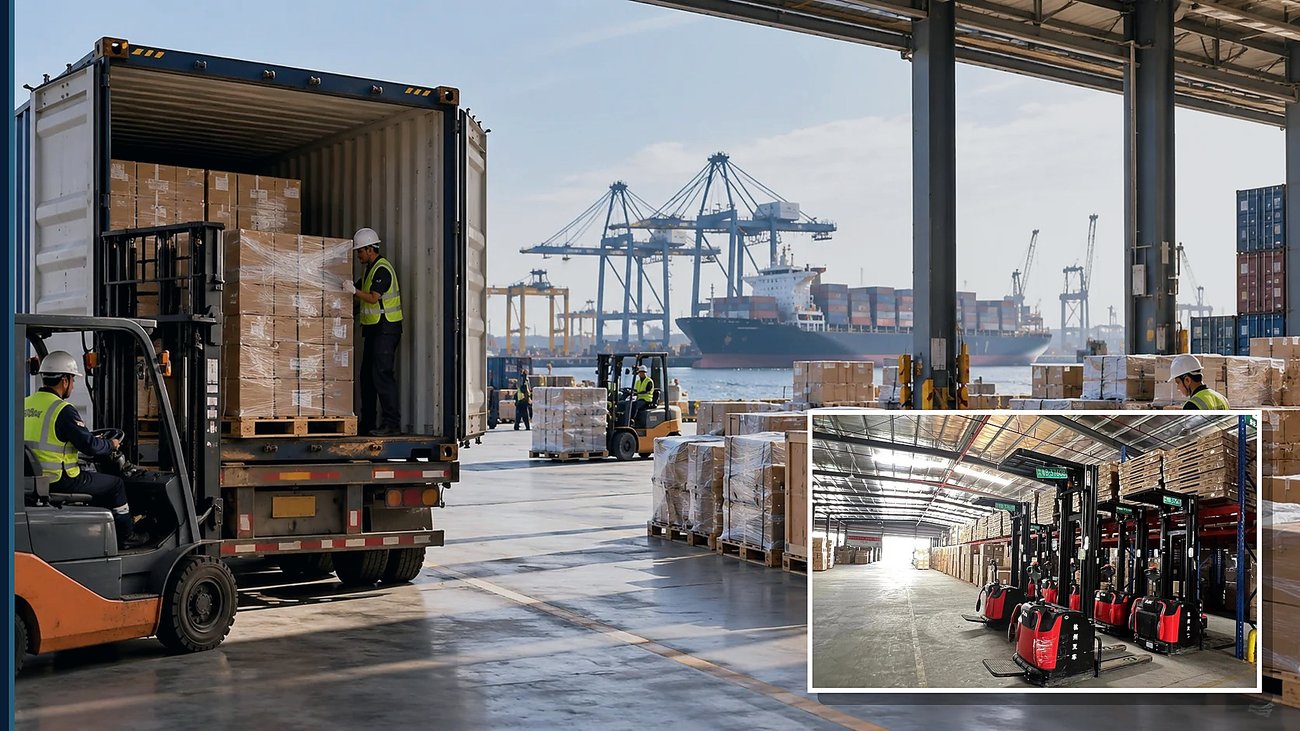
Each shipment needs accurate commercial documents regardless of whether it moves FCL or LCL. For ocean planning, the implication is to compare the whole door-to-door chain. Port events, consolidation, free time, customs and final delivery can matter as much as the vessel schedule, especially when inventory is moving into a time-sensitive sales or production program.
LCL consolidation does not merge the commercial identity of the individual shipments. For ocean planning, the implication is to compare the whole door-to-door chain. Port events, consolidation, free time, customs and final delivery can matter as much as the vessel schedule, especially when inventory is moving into a time-sensitive sales or production program.
Destination customs holds or document issues can affect release timing even when the vessel arrived on schedule. For ocean planning, the implication is to compare the whole door-to-door chain. Port events, consolidation, free time, customs and final delivery can matter as much as the vessel schedule, especially when inventory is moving into a time-sensitive sales or production program.
If multiple suppliers are consolidated into one commercial shipment, invoice and packing-list structure should be planned before loading. For ocean planning, the implication is to compare the whole door-to-door chain. Port events, consolidation, free time, customs and final delivery can matter as much as the vessel schedule, especially when inventory is moving into a time-sensitive sales or production program.
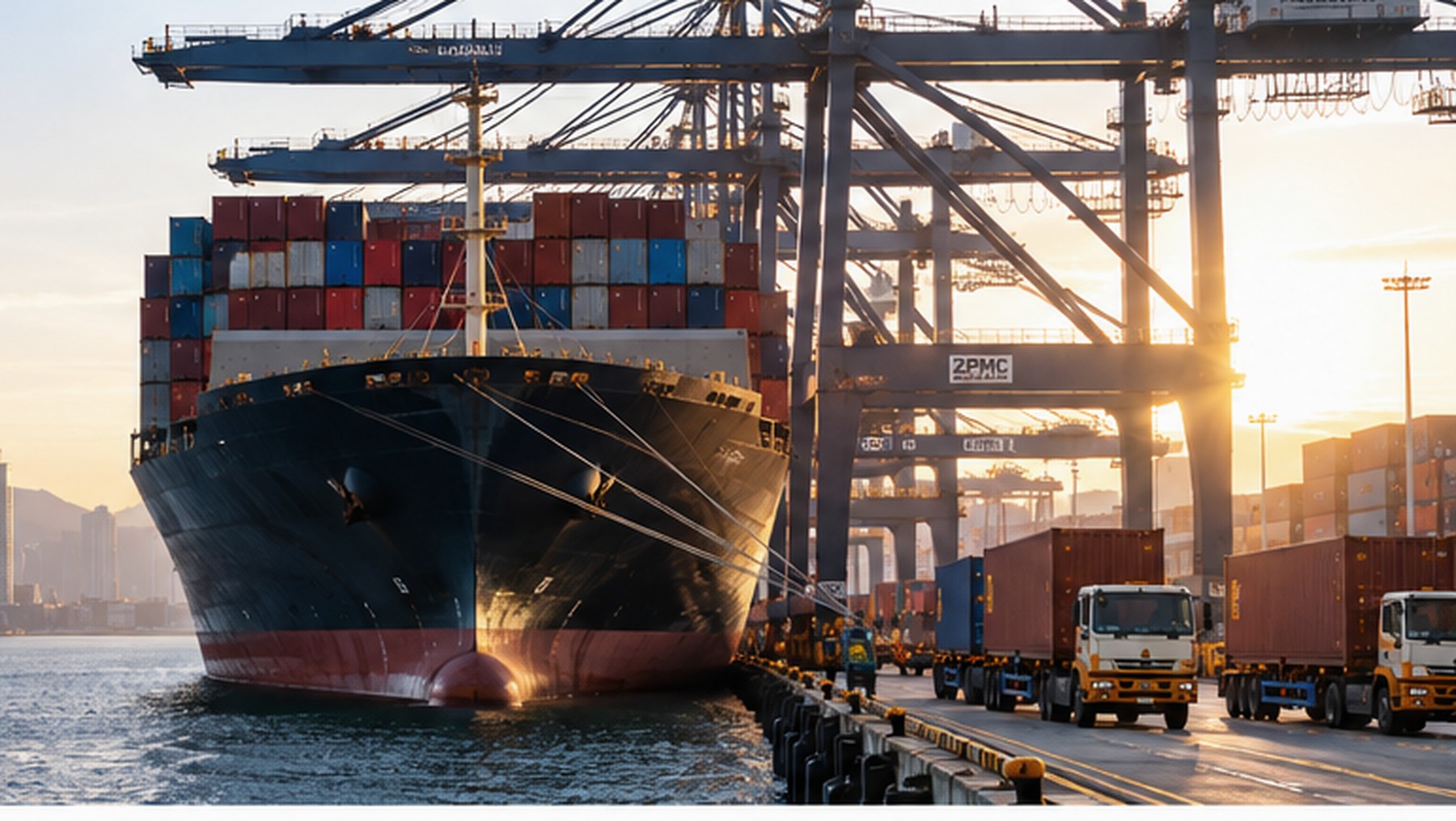
When FCL usually makes sense
Volume is high enough that container economics are competitive. For ocean planning, the implication is to compare the whole door-to-door chain. Port events, consolidation, free time, customs and final delivery can matter as much as the vessel schedule, especially when inventory is moving into a time-sensitive sales or production program.
The importer values container control, reduced handling or simpler destination release. For ocean planning, the implication is to compare the whole door-to-door chain. Port events, consolidation, free time, customs and final delivery can matter as much as the vessel schedule, especially when inventory is moving into a time-sensitive sales or production program.
The cargo is sensitive, irregularly shaped or easier to secure as a dedicated load. For ocean planning, the implication is to compare the whole door-to-door chain. Port events, consolidation, free time, customs and final delivery can matter as much as the vessel schedule, especially when inventory is moving into a time-sensitive sales or production program.
The supply plan is stable enough to fill and release the container without waiting too long for additional cargo. For ocean planning, the implication is to compare the whole door-to-door chain. Port events, consolidation, free time, customs and final delivery can matter as much as the vessel schedule, especially when inventory is moving into a time-sensitive sales or production program.
When LCL usually makes sense
The shipment is too small to use container capacity efficiently. For ocean planning, the implication is to compare the whole door-to-door chain. Port events, consolidation, free time, customs and final delivery can matter as much as the vessel schedule, especially when inventory is moving into a time-sensitive sales or production program.
The importer prefers more frequent smaller replenishment rather than waiting to build a full container. For ocean planning, the implication is to compare the whole door-to-door chain. Port events, consolidation, free time, customs and final delivery can matter as much as the vessel schedule, especially when inventory is moving into a time-sensitive sales or production program.
The destination LCL network provides practical delivery economics for the cargo. For ocean planning, the implication is to compare the whole door-to-door chain. Port events, consolidation, free time, customs and final delivery can matter as much as the vessel schedule, especially when inventory is moving into a time-sensitive sales or production program.
The cargo is packed well enough to tolerate shared handling. For ocean planning, the implication is to compare the whole door-to-door chain. Port events, consolidation, free time, customs and final delivery can matter as much as the vessel schedule, especially when inventory is moving into a time-sensitive sales or production program.
Decision table
| Decision area | What to confirm | Why it matters |
|---|---|---|
| Cargo facts | Commodity, cartons, actual weight, dimensions and handling characteristics | Freight pricing and carrier acceptance depend on the physical shipment, not only the purchase order. |
| Route scope | Pickup point, main mode, gateway and final delivery point | Two quotes are not comparable if they cover different segments of the journey. |
| Customs data | Description, value, classification, origin and importer/broker setup | Clean customs data reduces avoidable questions and supports landed-cost planning. |
| Inventory date | Required receipt date and acceptable schedule buffer | Mode and routing should protect the business requirement, not only minimize transport spend. |
| Exceptions | Storage, inspection, delay, redelivery and escalation process | A clear exception plan reduces surprise cost and decision time when the shipment deviates from plan. |
Importer checklist
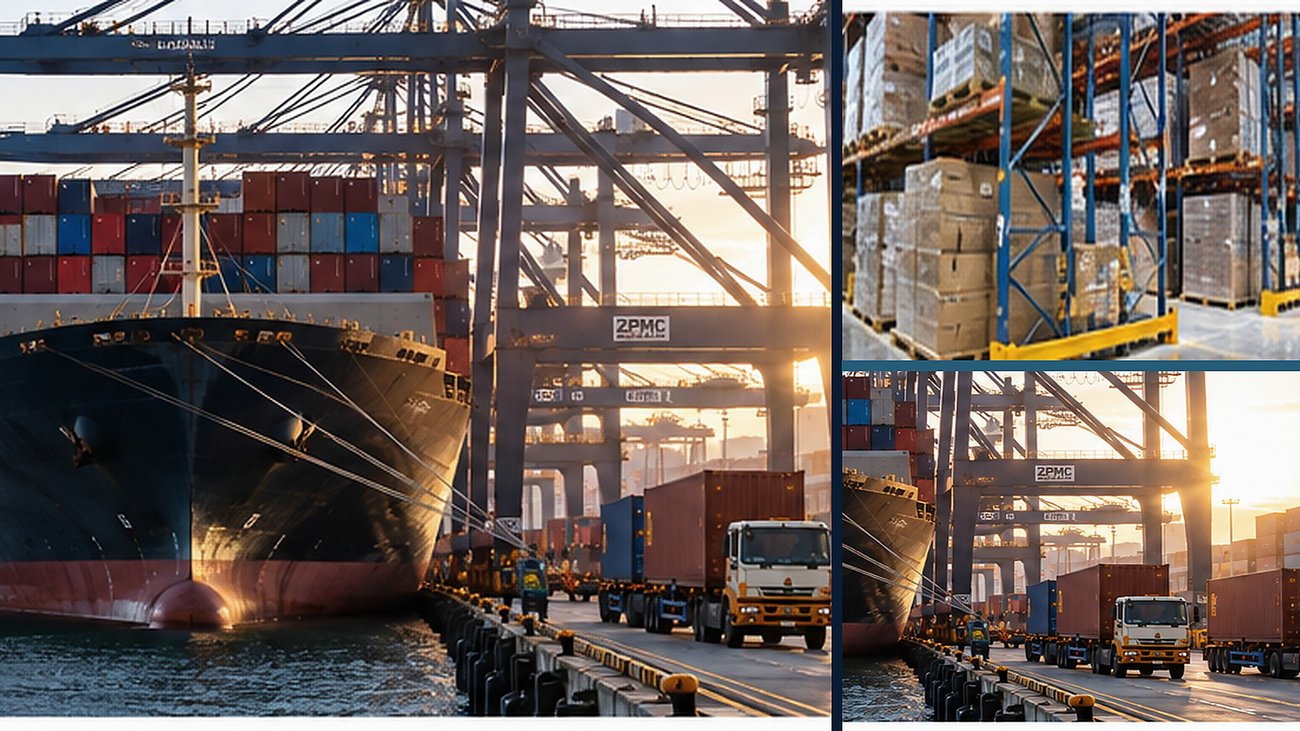
- Total CBM and gross weight
- Carton/pallet dimensions
- Cargo fragility and stackability
- Supplier readiness dates
- Origin consolidation needs
- Destination LCL charges
- FCL drayage/free-time conditions
- Required inventory date
How the decision changes by destination market
United States
For the United States, combine freight planning with importer-of-record, customs-broker, tariff and final receiving requirements. Port or airport choice should be evaluated against domestic delivery, not in isolation. E-commerce and retailer programs can add appointment, labeling and compliance steps that deserve their own lead time. The same principle applies here: compare the complete operating chain and confirm market-specific requirements before cargo is committed to a route.
Canada
For Canada, destination geography can make final-mile cost a major share of the total shipment. Confirm customs and tax handling, then compare gateways based on the actual delivery province and warehouse rather than assuming the nearest international gateway is always best. The same principle applies here: compare the complete operating chain and confirm market-specific requirements before cargo is committed to a route.
United Kingdom
For the United Kingdom, treat customs and tax planning as a distinct destination workflow rather than an extension of EU processes. The consignee/importer setup, commodity data and final delivery appointment should be clear before departure. The same principle applies here: compare the complete operating chain and confirm market-specific requirements before cargo is committed to a route.
European Union
For EU destinations, customs, VAT structure, product regulation and intra-European distribution can interact. The best arrival gateway for a regional supply chain may differ from the country where the goods are ultimately sold, so legal and logistics planning should be aligned. The same principle applies here: compare the complete operating chain and confirm market-specific requirements before cargo is committed to a route.
Australia
For Australia, biosecurity and product-specific import conditions can be as important as the freight mode. Packaging materials, cargo cleanliness and accurate declarations should be reviewed early for relevant goods. The same principle applies here: compare the complete operating chain and confirm market-specific requirements before cargo is committed to a route.
UAE and Gulf markets
For the UAE and Gulf markets, door-delivery planning should reflect destination customs requirements, consignee readiness and local receiving conditions. Commercial-document accuracy and a clear final-mile contact reduce avoidable handoff delays. The same principle applies here: compare the complete operating chain and confirm market-specific requirements before cargo is committed to a route.
Frequently asked questions
At what CBM should I switch from LCL to FCL?
There is no universal threshold. Compare total door cost, handling and schedule for the actual lane and equipment.
Is FCL faster?
Often it can reduce consolidation handling, but the total lead time still depends on booking, port conditions, customs and delivery.
Is LCL riskier for damage?
It involves more shared handling, so packaging discipline is especially important.
Can multiple suppliers use one FCL container?
Yes, with coordinated consolidation and documentation.
Why are LCL destination charges important?
Because deconsolidation and local handling can represent a significant part of a small shipment’s final cost.
Can I use LCL for Amazon inventory?
Yes on suitable services, but receiving and labeling requirements still need to be managed.
Next steps
Before requesting a final freight rate, prepare the shipment facts and decide which trade-offs matter most: cost, timing, control, customs responsibility, delivery complexity or inventory risk. YUJINTONG can then review the cargo and build a route around those constraints rather than forcing every shipment into the same template.
Related resources: Sea freight from China · Container loading planner · Compare FCL and LCL
Operational field notes
A useful operating habit is to separate assumptions from confirmed facts. Supplier-provided dimensions, tentative cargo-ready dates and estimated customs classifications should be marked as provisional until the responsible party has verified them. This prevents planning documents from looking more certain than the underlying information really is. When a provisional assumption changes, the team can immediately see which rate, booking or inventory decision needs to be reviewed.
Procurement and logistics teams should also keep a short decision log for material route changes. Record why the original mode was selected, what event caused the change, which alternatives were considered and who approved the additional cost or timing trade-off. This creates better supplier and forwarder reviews later and avoids repeating the same debate during the next disruption.
Another improvement is to standardize shipment master data. A controlled file containing product descriptions, HS classifications used for planning, dimensions, battery status, packaging type, country of origin and compliance references reduces rework across quotations, bookings and customs communication. The data still needs route-specific validation, but teams start from a better baseline.
Visibility is most valuable when it is linked to action. Instead of collecting dozens of milestones, identify the moments that can change a business decision: supplier late, cargo measured differently, booking not confirmed, departure missed, customs hold, free time at risk or delivery appointment rejected. Each critical event should have an owner, a response target and an escalation path.
The financial review should continue after delivery. Compare the original planning estimate with the final freight invoice, customs charges, accessorials and delivery cost. Categorize every variance as forecast error, scope change, operational exception or supplier data issue. Over several shipments, this produces a much more reliable view of landed cost and forwarder performance than headline rate comparisons alone.
For repeat lanes, document a simple standard operating procedure covering booking lead time, required documents, warehouse cutoff, approval contacts, expected milestones and destination receiving rules. The SOP should be short enough that teams actually use it. Update it when a real shipment reveals a new risk or a better operating practice.