
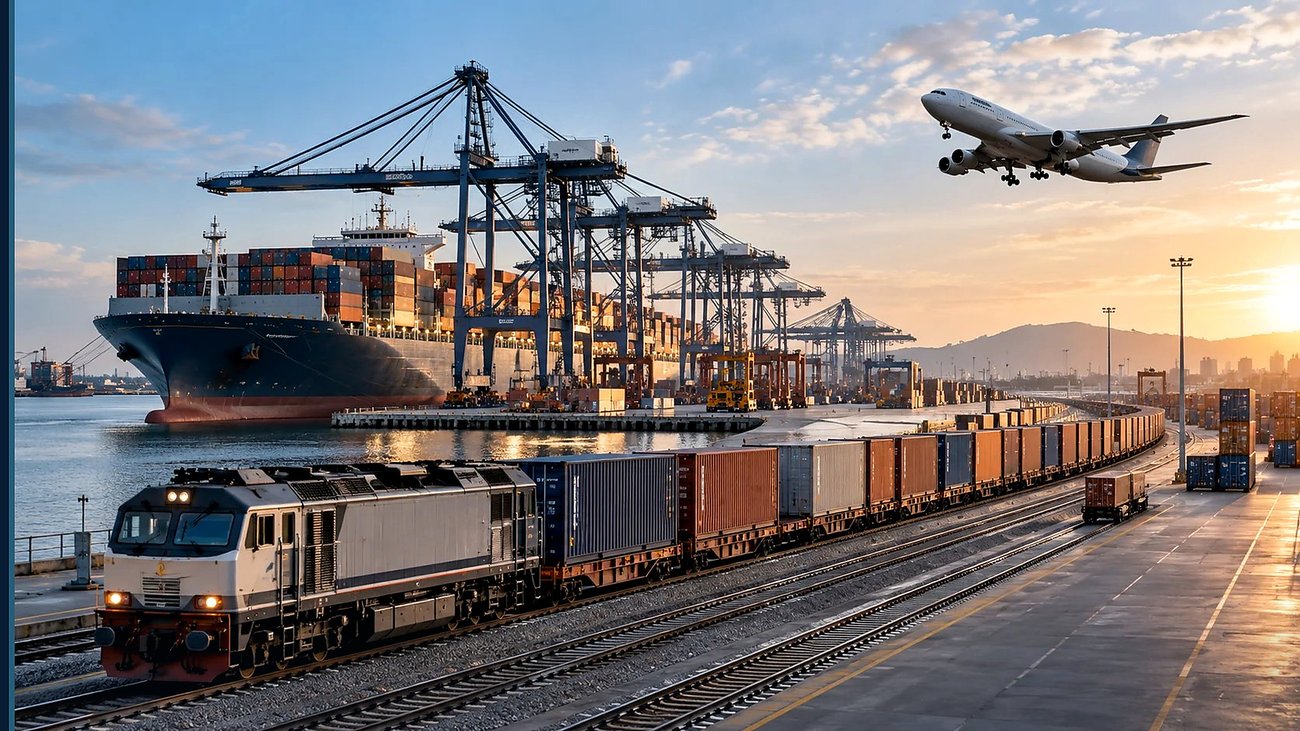
Europe gives importers more modal choices than many trade lanes. Ocean freight serves the largest volumes, air protects urgent inventory, rail can provide a middle option on eligible corridors, and DDP or door-delivery structures can reduce operational handoffs. The challenge is not finding a mode; it is choosing a mode that fits the inventory date, customs model and final European delivery network.
A shipment to Germany, France, the Netherlands, Poland or another EU market may share part of the international route but face different domestic distribution requirements. The United Kingdom also requires its own customs planning. For that reason, “shipping to Europe” should be translated into a specific destination workflow before rates are compared.
Start with destination architecture, not mode
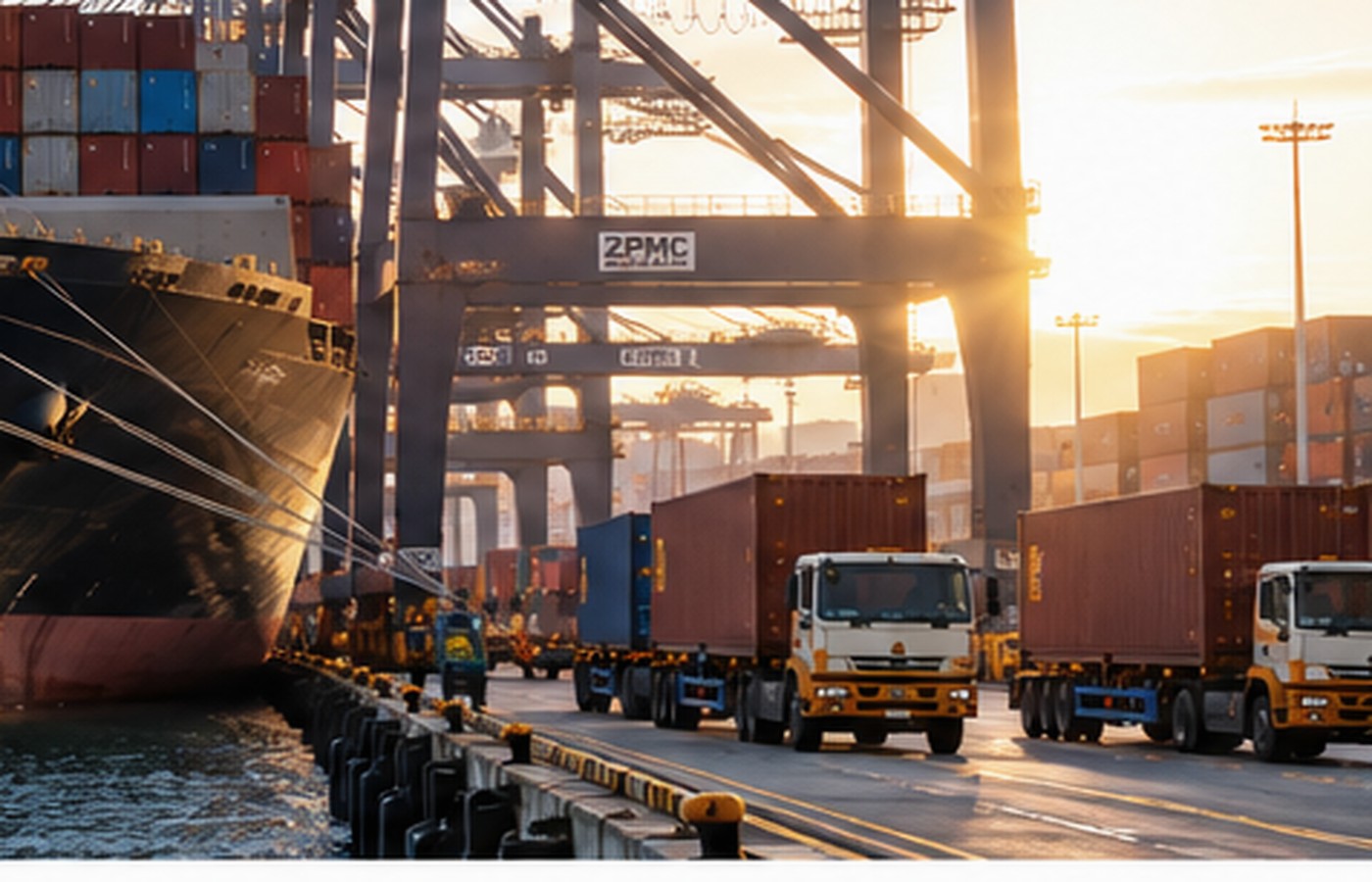
Define the final country, city and receiving point. A port or rail terminal may be close geographically but still create expensive or slow domestic delivery. For operations teams, the decision should be documented against the inventory date, receiving constraints and the agreed exception process. That record makes later changes easier to evaluate because the business can see which assumption has changed and what trade-off a new route would create.
Determine whether the goods will enter one market for local sale or move onward within a broader European distribution network. For operations teams, the decision should be documented against the inventory date, receiving constraints and the agreed exception process. That record makes later changes easier to evaluate because the business can see which assumption has changed and what trade-off a new route would create.
Confirm the importer and VAT/customs setup appropriate to the destination. Logistics planning cannot substitute for tax and legal advice. For operations teams, the decision should be documented against the inventory date, receiving constraints and the agreed exception process. That record makes later changes easier to evaluate because the business can see which assumption has changed and what trade-off a new route would create.
Use the required stock-available date as the planning anchor and work backward through final delivery, customs, arrival and main carriage. For operations teams, the decision should be documented against the inventory date, receiving constraints and the agreed exception process. That record makes later changes easier to evaluate because the business can see which assumption has changed and what trade-off a new route would create.
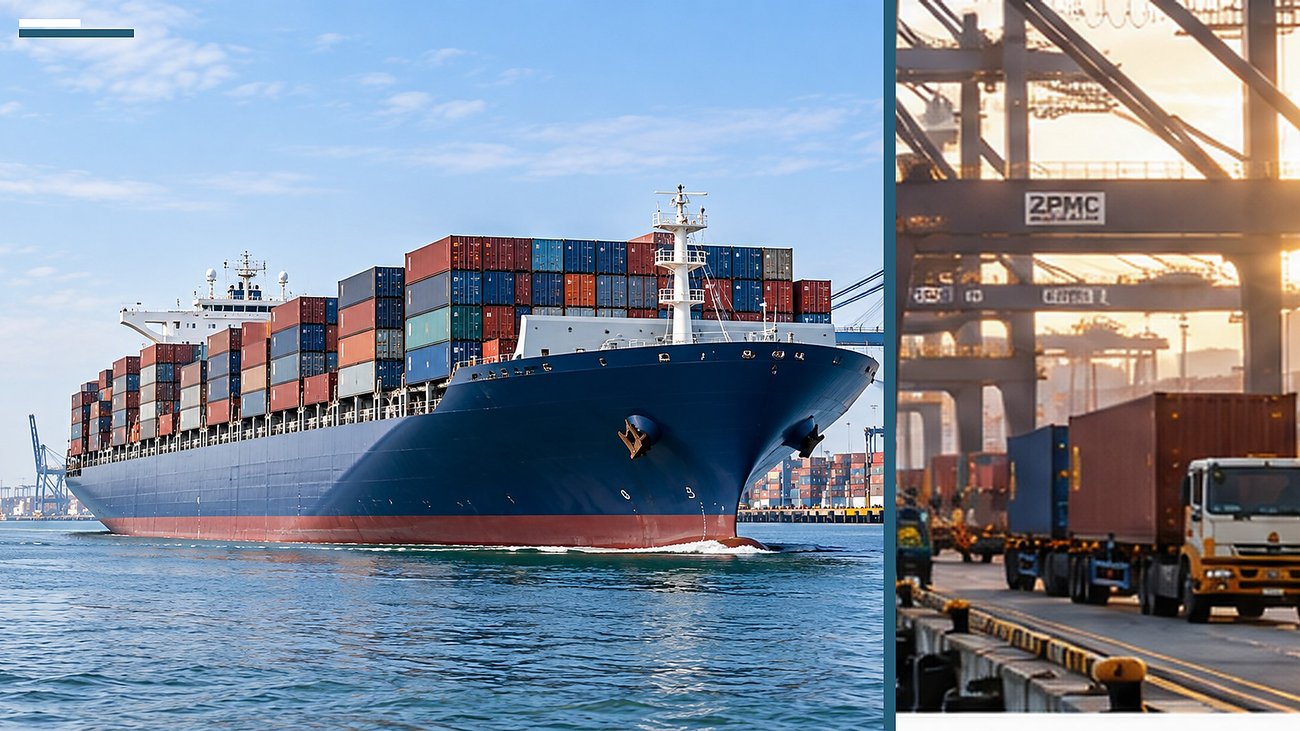
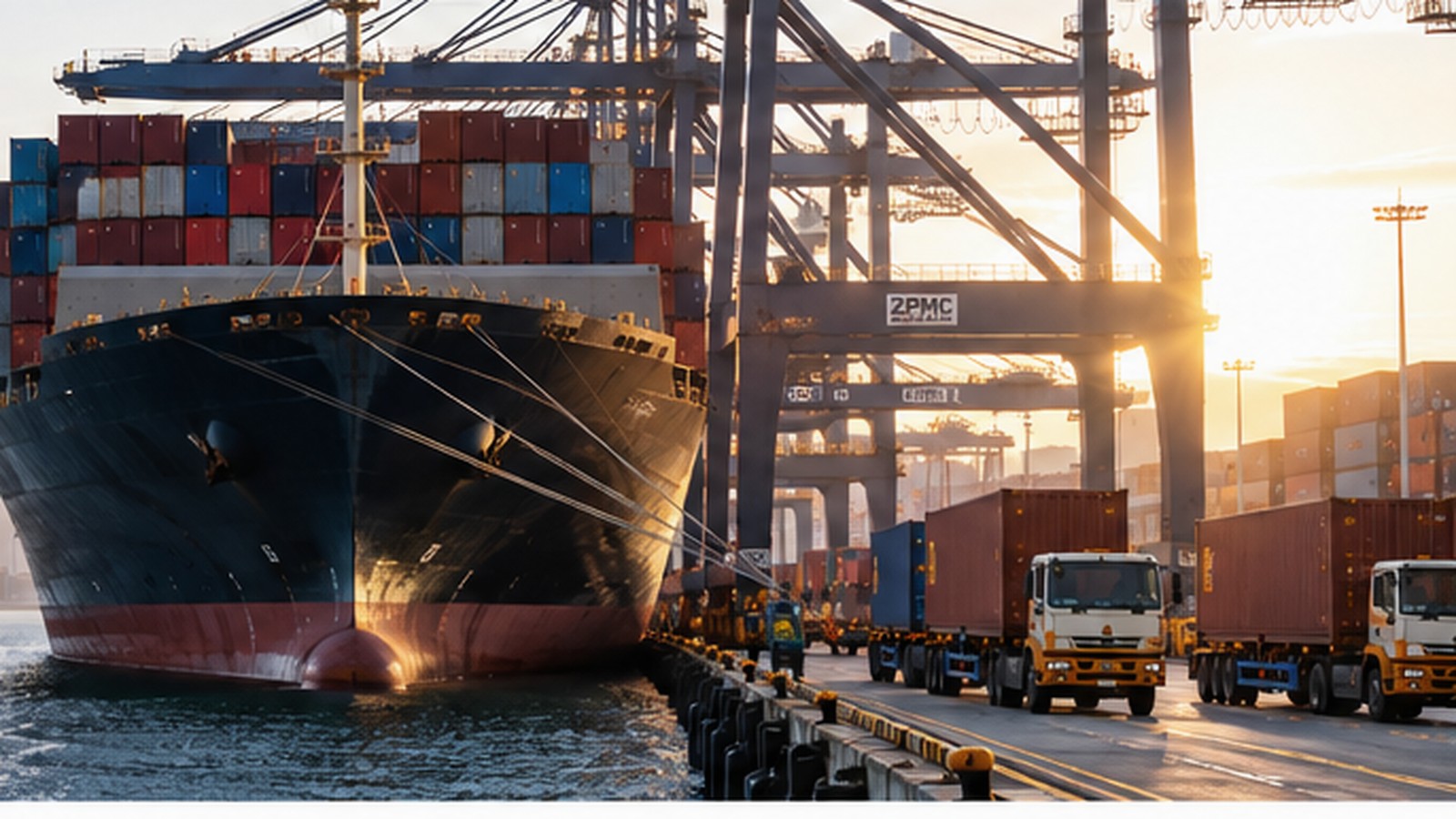
Sea freight: the default for planned volume
FCL provides dedicated container capacity and is commonly used for larger, repeatable replenishment programs. For operations teams, the decision should be documented against the inventory date, receiving constraints and the agreed exception process. That record makes later changes easier to evaluate because the business can see which assumption has changed and what trade-off a new route would create.
LCL provides access to ocean economics for smaller shipments, but consolidation and deconsolidation add handling steps. For operations teams, the decision should be documented against the inventory date, receiving constraints and the agreed exception process. That record makes later changes easier to evaluate because the business can see which assumption has changed and what trade-off a new route would create.
European port selection should consider inland distribution as well as ocean schedules. A slightly longer ocean route can still deliver a lower total cost to the final warehouse. For operations teams, the decision should be documented against the inventory date, receiving constraints and the agreed exception process. That record makes later changes easier to evaluate because the business can see which assumption has changed and what trade-off a new route would create.
Port congestion, blank sailings, schedule changes and weather can affect reliability, so inventory planning should include buffer rather than relying on a single ETA. For operations teams, the decision should be documented against the inventory date, receiving constraints and the agreed exception process. That record makes later changes easier to evaluate because the business can see which assumption has changed and what trade-off a new route would create.
Rail freight: a middle-ground option on eligible corridors
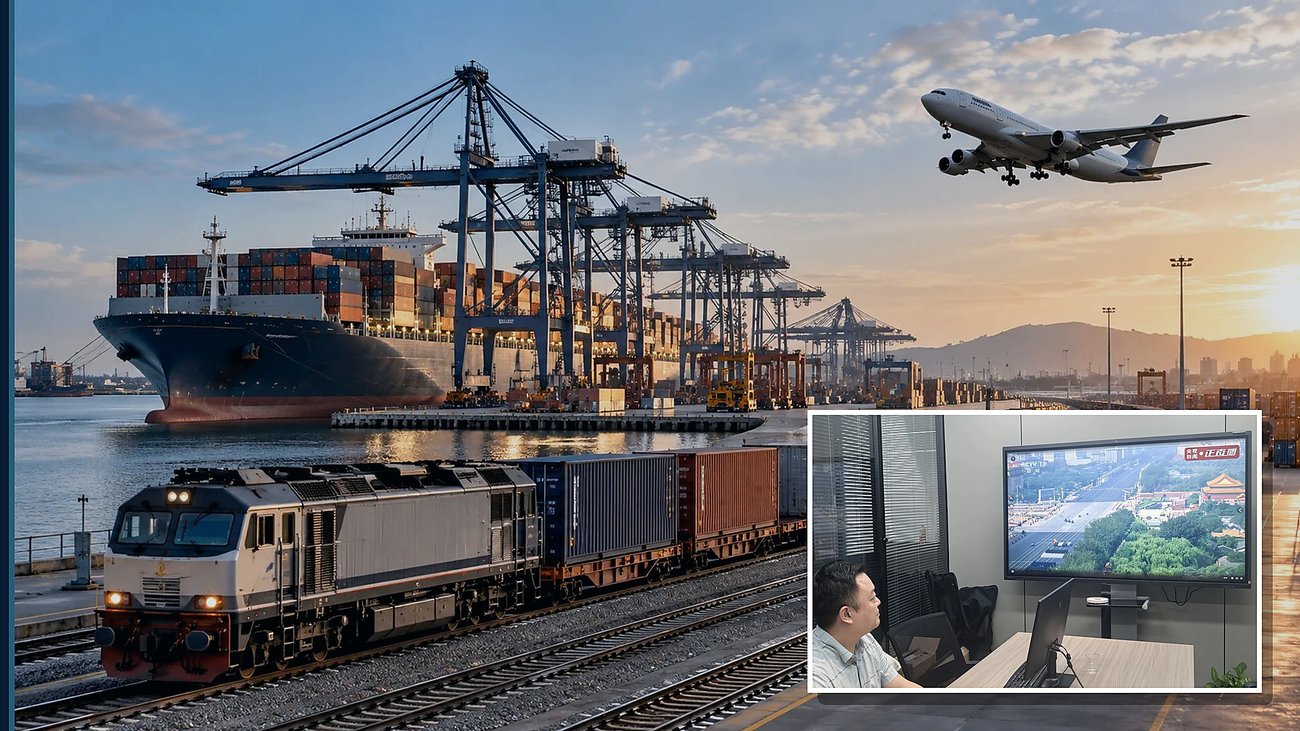
China-Europe rail can shorten lead time compared with many ocean routings while remaining less costly than air for suitable cargo. For operations teams, the decision should be documented against the inventory date, receiving constraints and the agreed exception process. That record makes later changes easier to evaluate because the business can see which assumption has changed and what trade-off a new route would create.
Rail is most useful when origin and destination can connect efficiently to the rail corridor; long pre- or on-carriage can erode the advantage. For operations teams, the decision should be documented against the inventory date, receiving constraints and the agreed exception process. That record makes later changes easier to evaluate because the business can see which assumption has changed and what trade-off a new route would create.
Capacity, border procedures, route changes and geopolitical conditions can affect rail availability, so it should be treated as a lane-specific product rather than a universal substitute for ocean. For operations teams, the decision should be documented against the inventory date, receiving constraints and the agreed exception process. That record makes later changes easier to evaluate because the business can see which assumption has changed and what trade-off a new route would create.
LCL rail programs can support mid-sized shipments, while block-train or dedicated capacity is relevant only for much larger programs. For operations teams, the decision should be documented against the inventory date, receiving constraints and the agreed exception process. That record makes later changes easier to evaluate because the business can see which assumption has changed and what trade-off a new route would create.
Air freight: protect the date when timing matters
Air freight works well for high-value, compact or urgent cargo and for recovering from production delays. For operations teams, the decision should be documented against the inventory date, receiving constraints and the agreed exception process. That record makes later changes easier to evaluate because the business can see which assumption has changed and what trade-off a new route would create.
European air gateways offer multiple routing options, but the best gateway depends on flight capacity, customs process and final delivery location. For operations teams, the decision should be documented against the inventory date, receiving constraints and the agreed exception process. That record makes later changes easier to evaluate because the business can see which assumption has changed and what trade-off a new route would create.
Chargeable weight and density strongly influence cost. Large cartons can turn a seemingly light shipment into an expensive air movement. For operations teams, the decision should be documented against the inventory date, receiving constraints and the agreed exception process. That record makes later changes easier to evaluate because the business can see which assumption has changed and what trade-off a new route would create.
Hybrid inventory strategies often work well: move launch or safety stock by air and the planned replenishment by sea or rail. For operations teams, the decision should be documented against the inventory date, receiving constraints and the agreed exception process. That record makes later changes easier to evaluate because the business can see which assumption has changed and what trade-off a new route would create.
DDP and door-delivery structures
A coordinated door solution can reduce handoffs between China origin, main carriage, destination customs and final delivery. For operations teams, the decision should be documented against the inventory date, receiving constraints and the agreed exception process. That record makes later changes easier to evaluate because the business can see which assumption has changed and what trade-off a new route would create.
The quote should identify whether duties, taxes, customs service and final-mile accessorials are included or excluded. For operations teams, the decision should be documented against the inventory date, receiving constraints and the agreed exception process. That record makes later changes easier to evaluate because the business can see which assumption has changed and what trade-off a new route would create.
For EU destinations, the commercial and customs structure needs to be consistent with the importer’s legal and VAT arrangements. For operations teams, the decision should be documented against the inventory date, receiving constraints and the agreed exception process. That record makes later changes easier to evaluate because the business can see which assumption has changed and what trade-off a new route would create.
Retailer warehouses and e-commerce fulfillment centers can require appointments, labeling and pallet standards that should be confirmed before dispatch. For operations teams, the decision should be documented against the inventory date, receiving constraints and the agreed exception process. That record makes later changes easier to evaluate because the business can see which assumption has changed and what trade-off a new route would create.
Customs and documentation for Europe
Commercial invoices and packing lists should be consistent, specific and suitable for customs classification. For operations teams, the decision should be documented against the inventory date, receiving constraints and the agreed exception process. That record makes later changes easier to evaluate because the business can see which assumption has changed and what trade-off a new route would create.
Commodity codes, origin data and product compliance can affect both customs clearance and market access. For operations teams, the decision should be documented against the inventory date, receiving constraints and the agreed exception process. That record makes later changes easier to evaluate because the business can see which assumption has changed and what trade-off a new route would create.
Depending on product category, European regulations can impose labeling, conformity, safety or environmental obligations that sit outside the freight contract. For operations teams, the decision should be documented against the inventory date, receiving constraints and the agreed exception process. That record makes later changes easier to evaluate because the business can see which assumption has changed and what trade-off a new route would create.
For UK shipments, do not assume EU customs procedures apply. Treat the UK as its own destination market in the operating plan. For operations teams, the decision should be documented against the inventory date, receiving constraints and the agreed exception process. That record makes later changes easier to evaluate because the business can see which assumption has changed and what trade-off a new route would create.
How to compare the four options
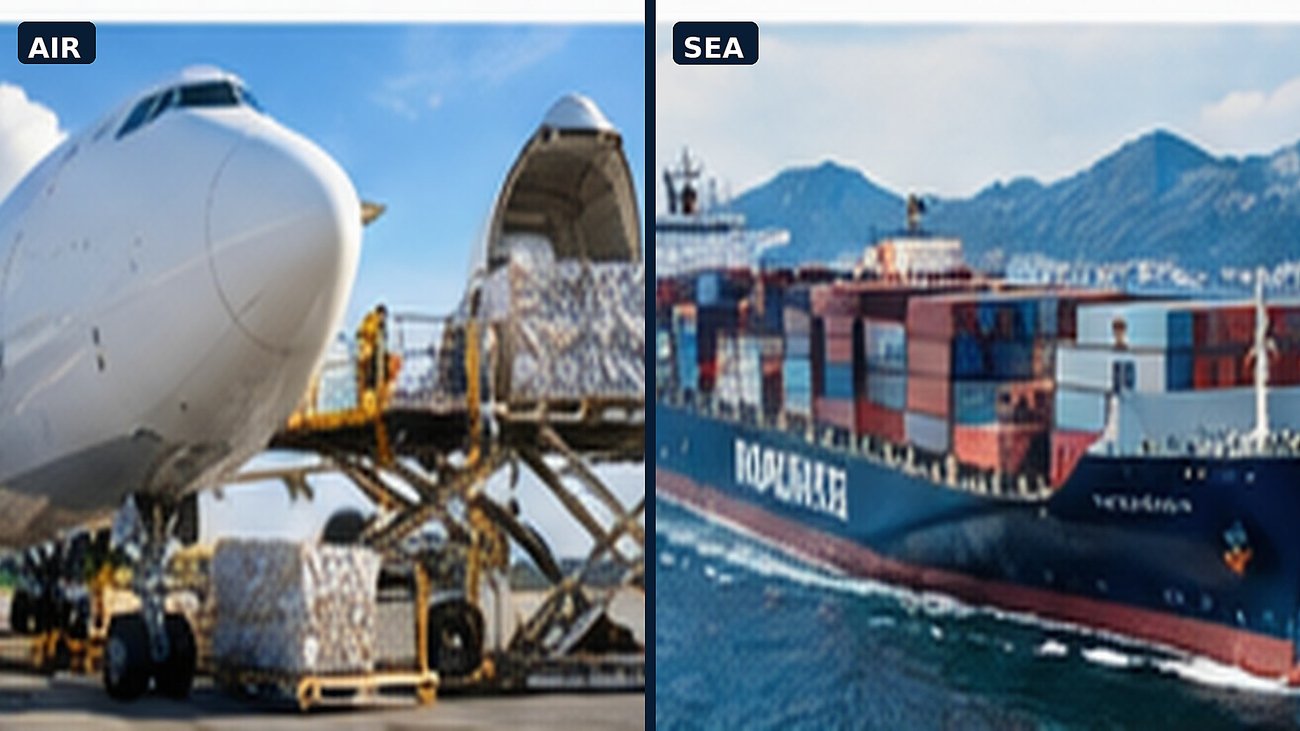
Compare total landed logistics cost to the final warehouse, not just the main-carriage charge. For operations teams, the decision should be documented against the inventory date, receiving constraints and the agreed exception process. That record makes later changes easier to evaluate because the business can see which assumption has changed and what trade-off a new route would create.
Compare schedule confidence as well as nominal transit time. A mode that is one week faster on paper is not better if its origin or destination handoffs are unreliable. For operations teams, the decision should be documented against the inventory date, receiving constraints and the agreed exception process. That record makes later changes easier to evaluate because the business can see which assumption has changed and what trade-off a new route would create.
Compare the amount of management effort required from the importer. A lower-cost fragmented plan can consume significant operations time. For operations teams, the decision should be documented against the inventory date, receiving constraints and the agreed exception process. That record makes later changes easier to evaluate because the business can see which assumption has changed and what trade-off a new route would create.
Compare inventory consequences: stockout risk, safety stock requirement, working capital and the cost of missing a promotion or production window. For operations teams, the decision should be documented against the inventory date, receiving constraints and the agreed exception process. That record makes later changes easier to evaluate because the business can see which assumption has changed and what trade-off a new route would create.
Build resilience into the China-Europe flow
Maintain more than one usable transport option for products with critical service requirements. For operations teams, the decision should be documented against the inventory date, receiving constraints and the agreed exception process. That record makes later changes easier to evaluate because the business can see which assumption has changed and what trade-off a new route would create.
Segment SKUs by value, margin, demand volatility and urgency instead of assigning one mode to the entire product catalog. For operations teams, the decision should be documented against the inventory date, receiving constraints and the agreed exception process. That record makes later changes easier to evaluate because the business can see which assumption has changed and what trade-off a new route would create.
Centralize shipment documents and milestone communication so customs, finance, purchasing and warehouse teams work from the same information. For operations teams, the decision should be documented against the inventory date, receiving constraints and the agreed exception process. That record makes later changes easier to evaluate because the business can see which assumption has changed and what trade-off a new route would create.
Review the lane after each major disruption rather than treating routing decisions as permanent. For operations teams, the decision should be documented against the inventory date, receiving constraints and the agreed exception process. That record makes later changes easier to evaluate because the business can see which assumption has changed and what trade-off a new route would create.
Decision table
| Decision area | What to confirm | Why it matters |
|---|---|---|
| Cargo facts | Commodity, cartons, actual weight, dimensions and handling characteristics | Freight pricing and carrier acceptance depend on the physical shipment, not only the purchase order. |
| Route scope | Pickup point, main mode, gateway and final delivery point | Two quotes are not comparable if they cover different segments of the journey. |
| Customs data | Description, value, classification, origin and importer/broker setup | Clean customs data reduces avoidable questions and supports landed-cost planning. |
| Inventory date | Required receipt date and acceptable schedule buffer | Mode and routing should protect the business requirement, not only minimize transport spend. |
| Exceptions | Storage, inspection, delay, redelivery and escalation process | A clear exception plan reduces surprise cost and decision time when the shipment deviates from plan. |
Importer checklist
- Final European country, city and warehouse
- Importer/VAT/customs structure
- Cargo ready date and required stock date
- FCL/LCL volume and carton dimensions
- Rail eligibility if being considered
- Air chargeable weight
- Product compliance documentation
- Delivery appointment or pallet requirements
How the decision changes by destination market
United States
For the United States, combine freight planning with importer-of-record, customs-broker, tariff and final receiving requirements. Port or airport choice should be evaluated against domestic delivery, not in isolation. E-commerce and retailer programs can add appointment, labeling and compliance steps that deserve their own lead time. The same principle applies here: compare the complete operating chain and confirm market-specific requirements before cargo is committed to a route.
Canada
For Canada, destination geography can make final-mile cost a major share of the total shipment. Confirm customs and tax handling, then compare gateways based on the actual delivery province and warehouse rather than assuming the nearest international gateway is always best. The same principle applies here: compare the complete operating chain and confirm market-specific requirements before cargo is committed to a route.
United Kingdom
For the United Kingdom, treat customs and tax planning as a distinct destination workflow rather than an extension of EU processes. The consignee/importer setup, commodity data and final delivery appointment should be clear before departure. The same principle applies here: compare the complete operating chain and confirm market-specific requirements before cargo is committed to a route.
European Union
For EU destinations, customs, VAT structure, product regulation and intra-European distribution can interact. The best arrival gateway for a regional supply chain may differ from the country where the goods are ultimately sold, so legal and logistics planning should be aligned. The same principle applies here: compare the complete operating chain and confirm market-specific requirements before cargo is committed to a route.
Australia
For Australia, biosecurity and product-specific import conditions can be as important as the freight mode. Packaging materials, cargo cleanliness and accurate declarations should be reviewed early for relevant goods. The same principle applies here: compare the complete operating chain and confirm market-specific requirements before cargo is committed to a route.
UAE and Gulf markets
For the UAE and Gulf markets, door-delivery planning should reflect destination customs requirements, consignee readiness and local receiving conditions. Commercial-document accuracy and a clear final-mile contact reduce avoidable handoff delays. The same principle applies here: compare the complete operating chain and confirm market-specific requirements before cargo is committed to a route.
Frequently asked questions
Is rail always faster than sea freight from China to Europe?
Rail can be faster on suitable corridors, but total lead time depends on origin collection, terminal handling, border processing and final delivery.
Is sea freight always the cheapest?
For larger planned volumes it is often the lowest main-carriage option, but total landed logistics cost can differ once inland and handling costs are included.
Can DDP be used to Europe?
DDP-style door services exist on eligible lanes, but the customs, tax and importer structure must be appropriate for the destination.
When should I use air freight?
When the value of speed exceeds the extra freight cost, for example stockout prevention, launch inventory or urgent components.
What documents are normally required?
Commercial invoice and packing list are foundational; other documents depend on product, origin, destination and regulatory requirements.
How can I reduce disruption risk?
Use realistic buffers, maintain alternative modes, centralize documents and monitor milestones that require action.
Next steps
Before requesting a final freight rate, prepare the shipment facts and decide which trade-offs matter most: cost, timing, control, customs responsibility, delivery complexity or inventory risk. YUJINTONG can then review the cargo and build a route around those constraints rather than forcing every shipment into the same template.
Related resources: China to Europe route guide · Rail freight from China · Incoterms guide
Operational field notes
A useful operating habit is to separate assumptions from confirmed facts. Supplier-provided dimensions, tentative cargo-ready dates and estimated customs classifications should be marked as provisional until the responsible party has verified them. This prevents planning documents from looking more certain than the underlying information really is. When a provisional assumption changes, the team can immediately see which rate, booking or inventory decision needs to be reviewed.