
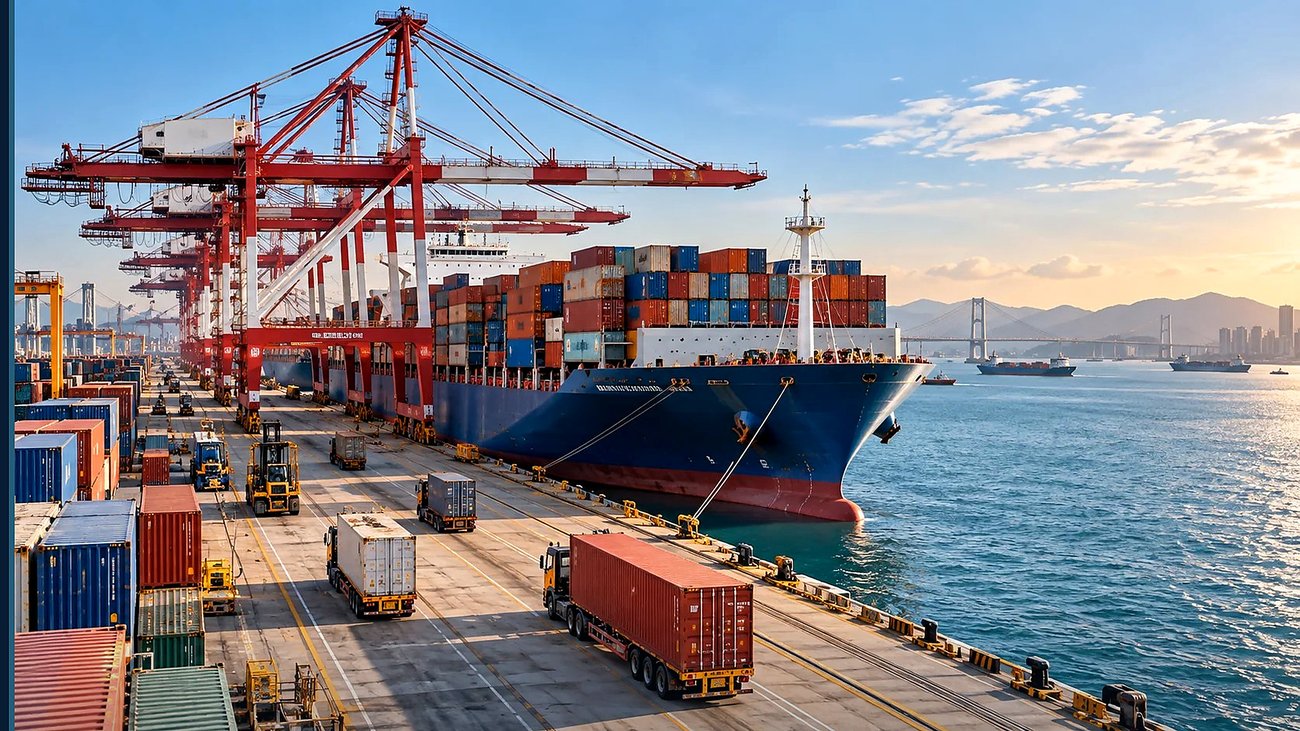
Shipping from China to the United States is not a single lane. A Shenzhen-to-Los Angeles FCL shipment, a Guangzhou-to-Chicago air shipment and a consolidated DDP movement to an e-commerce warehouse all use different cost structures and different operational checkpoints. The right option depends on inventory urgency, cargo density, delivery location and how much control the importer wants over customs and domestic transport.
US importers also need to connect freight planning with customs data, product compliance, tariff exposure and receiving requirements. That is why the cheapest international freight line on a spreadsheet can still create a poor landed result if the cargo misses a sales window, arrives at the wrong terminal, needs unexpected storage or cannot be received on schedule.
This guide compares the practical choices from China origin through US delivery and focuses on the decisions that procurement, operations and supply-chain teams can make before booking.
Map the shipment before comparing transport modes
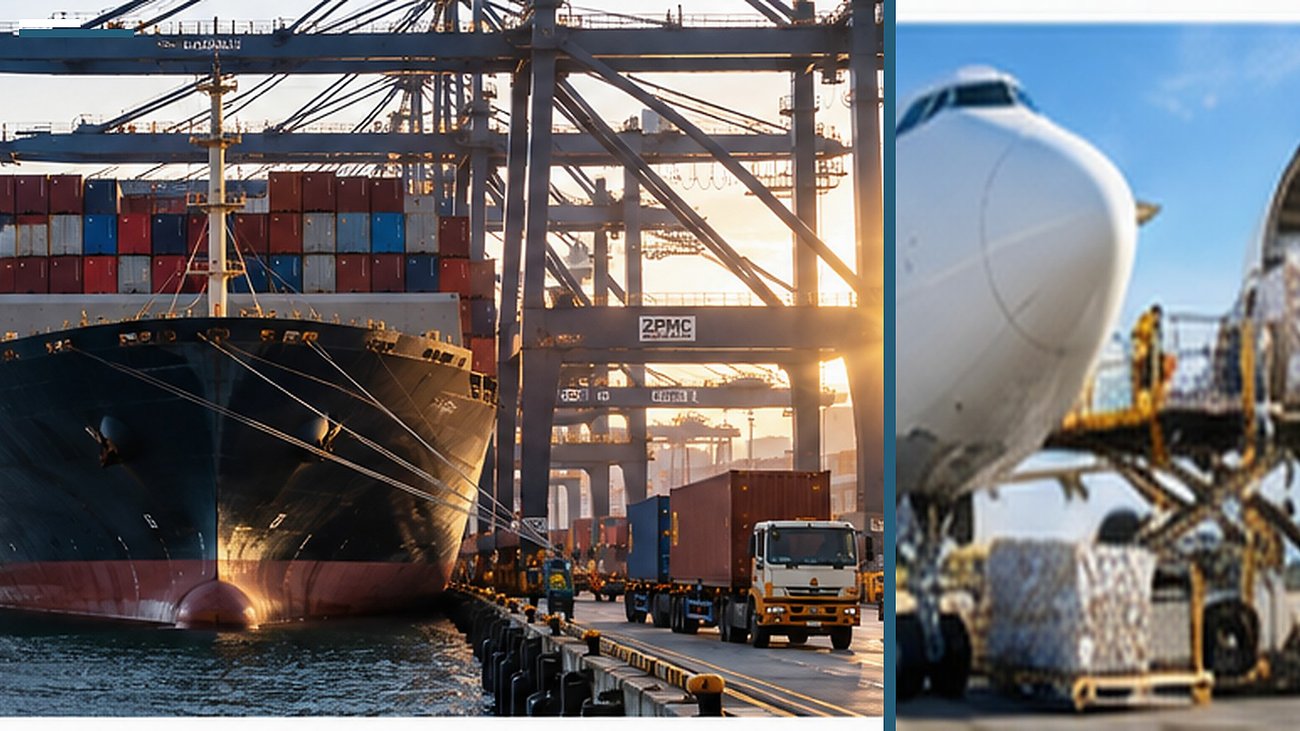
Identify the China pickup city, supplier readiness date, number of suppliers and whether cargo needs consolidation before export. For operations teams, the decision should be documented against the inventory date, receiving constraints and the agreed exception process. That record makes later changes easier to evaluate because the business can see which assumption has changed and what trade-off a new route would create.
In the United States, identify the final delivery type: port pickup, bonded warehouse, 3PL, Amazon facility, retailer distribution center or commercial address. For operations teams, the decision should be documented against the inventory date, receiving constraints and the agreed exception process. That record makes later changes easier to evaluate because the business can see which assumption has changed and what trade-off a new route would create.
Confirm whether the importer already has a US customs broker and importer-of-record setup. This influences whether port-to-port, DAP or DDP is the more natural service structure. For operations teams, the decision should be documented against the inventory date, receiving constraints and the agreed exception process. That record makes later changes easier to evaluate because the business can see which assumption has changed and what trade-off a new route would create.
Build the decision around the required inventory date rather than a theoretical transit time. Add origin handling, cutoff time, customs, terminal release and final delivery to the calendar. For operations teams, the decision should be documented against the inventory date, receiving constraints and the agreed exception process. That record makes later changes easier to evaluate because the business can see which assumption has changed and what trade-off a new route would create.
Sea freight from China to the USA
FCL is usually the primary option for higher-volume cargo that can justify dedicated container space and can tolerate ocean lead time. For operations teams, the decision should be documented against the inventory date, receiving constraints and the agreed exception process. That record makes later changes easier to evaluate because the business can see which assumption has changed and what trade-off a new route would create.
LCL allows smaller shipments to share container capacity, but it adds consolidation and deconsolidation handling and can introduce more milestone variability. For operations teams, the decision should be documented against the inventory date, receiving constraints and the agreed exception process. That record makes later changes easier to evaluate because the business can see which assumption has changed and what trade-off a new route would create.
West Coast gateways can suit some supply chains, while East or Gulf Coast routings may better align with final inventory locations. The shortest ocean leg is not always the lowest total domestic cost. For operations teams, the decision should be documented against the inventory date, receiving constraints and the agreed exception process. That record makes later changes easier to evaluate because the business can see which assumption has changed and what trade-off a new route would create.
Importers should examine free time, drayage availability, chassis, warehouse appointments and detention exposure when evaluating the US-side plan. For operations teams, the decision should be documented against the inventory date, receiving constraints and the agreed exception process. That record makes later changes easier to evaluate because the business can see which assumption has changed and what trade-off a new route would create.
Air freight from China to the USA
Air freight is useful when the value of speed is higher than the savings available from ocean freight. Typical examples include launch inventory, stockout prevention, spare parts and high-value compact products. For operations teams, the decision should be documented against the inventory date, receiving constraints and the agreed exception process. That record makes later changes easier to evaluate because the business can see which assumption has changed and what trade-off a new route would create.
Chargeable weight matters. Lightweight cartons with large dimensions can be billed on volumetric weight, so carton engineering can directly influence freight cost. For operations teams, the decision should be documented against the inventory date, receiving constraints and the agreed exception process. That record makes later changes easier to evaluate because the business can see which assumption has changed and what trade-off a new route would create.
Airport-to-airport pricing is not the same as a delivered rate. Security screening, export handling, destination terminal charges, customs and trucking must be considered. For operations teams, the decision should be documented against the inventory date, receiving constraints and the agreed exception process. That record makes later changes easier to evaluate because the business can see which assumption has changed and what trade-off a new route would create.
A split-shipment strategy can move a small urgent quantity by air while the balance moves by sea, protecting availability without converting the entire order to premium transport. For operations teams, the decision should be documented against the inventory date, receiving constraints and the agreed exception process. That record makes later changes easier to evaluate because the business can see which assumption has changed and what trade-off a new route would create.
Door-to-door and DDP options
Door-to-door service can connect China pickup, international transport and US delivery under one operating plan, which simplifies coordination for lean import teams. For operations teams, the decision should be documented against the inventory date, receiving constraints and the agreed exception process. That record makes later changes easier to evaluate because the business can see which assumption has changed and what trade-off a new route would create.
DDP-style services may be useful when the commercial setup and product eligibility are appropriate, but importers should still understand the importer and customs structure rather than treating customs as invisible. For operations teams, the decision should be documented against the inventory date, receiving constraints and the agreed exception process. That record makes later changes easier to evaluate because the business can see which assumption has changed and what trade-off a new route would create.
Commercial-address delivery, FBA delivery and retail DC delivery each have different receiving rules. Appointment systems, carton labels, pallet standards and delivery windows must be planned early. For operations teams, the decision should be documented against the inventory date, receiving constraints and the agreed exception process. That record makes later changes easier to evaluate because the business can see which assumption has changed and what trade-off a new route would create.
For e-commerce inventory, the forwarder should understand both freight operations and the receiving rules of the chosen fulfillment network. For operations teams, the decision should be documented against the inventory date, receiving constraints and the agreed exception process. That record makes later changes easier to evaluate because the business can see which assumption has changed and what trade-off a new route would create.
US customs and compliance planning
Accurate product descriptions, values, country of origin and HS classifications are foundational. Vague invoice descriptions slow down both classification and customs review. For operations teams, the decision should be documented against the inventory date, receiving constraints and the agreed exception process. That record makes later changes easier to evaluate because the business can see which assumption has changed and what trade-off a new route would create.
Certain products can be subject to agency requirements beyond CBP. Importers should identify product-specific obligations before freight is booked. For operations teams, the decision should be documented against the inventory date, receiving constraints and the agreed exception process. That record makes later changes easier to evaluate because the business can see which assumption has changed and what trade-off a new route would create.
Tariff exposure should be evaluated as part of landed cost, not discovered after the shipment is already in transit. The duty treatment can materially change sourcing economics. For operations teams, the decision should be documented against the inventory date, receiving constraints and the agreed exception process. That record makes later changes easier to evaluate because the business can see which assumption has changed and what trade-off a new route would create.
A customs broker can only work with the data provided. Procurement teams should make supplier documentation quality part of the shipping process. For operations teams, the decision should be documented against the inventory date, receiving constraints and the agreed exception process. That record makes later changes easier to evaluate because the business can see which assumption has changed and what trade-off a new route would create.
Cost comparison: look beyond the base freight rate
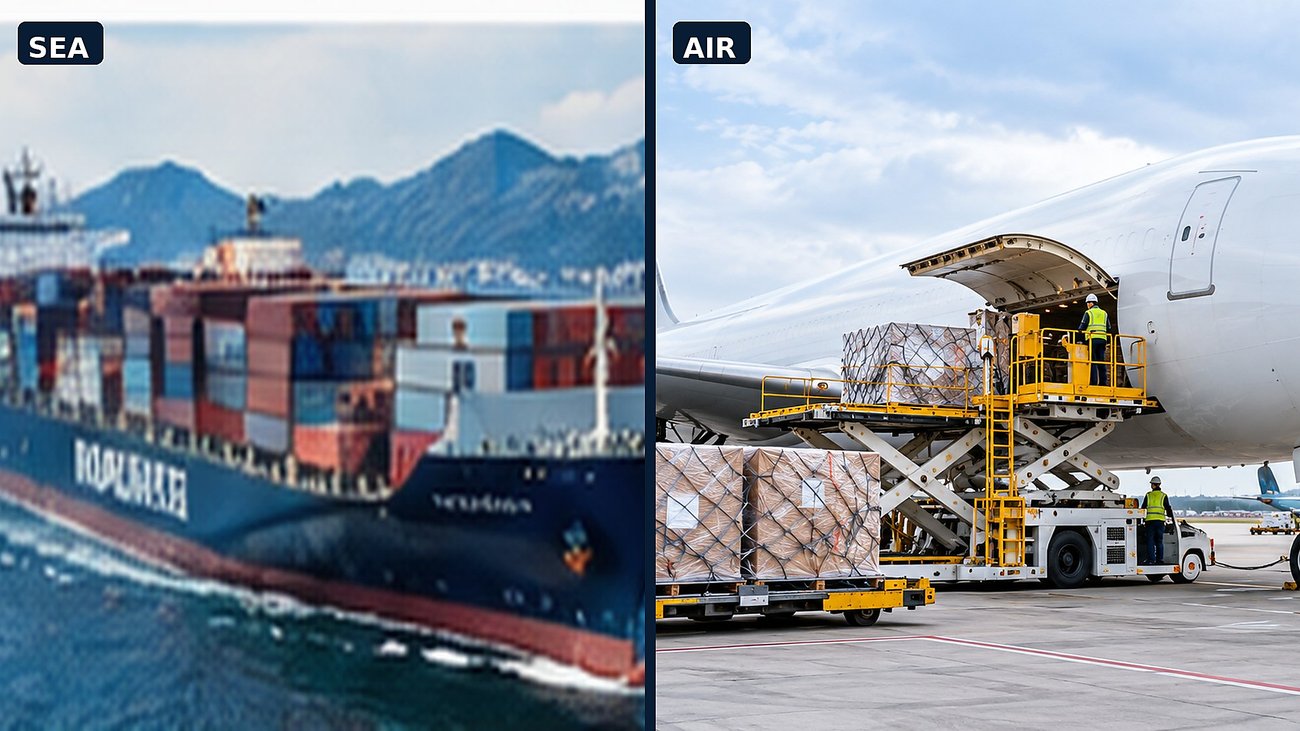
Ocean quotes can be affected by origin charges, freight, destination terminal fees, drayage, chassis, storage and accessorials. For operations teams, the decision should be documented against the inventory date, receiving constraints and the agreed exception process. That record makes later changes easier to evaluate because the business can see which assumption has changed and what trade-off a new route would create.
Air quotes depend heavily on chargeable weight, flight capacity, routing, handling and final delivery distance. For operations teams, the decision should be documented against the inventory date, receiving constraints and the agreed exception process. That record makes later changes easier to evaluate because the business can see which assumption has changed and what trade-off a new route would create.
Door services need clearly defined inclusion and exclusion lists. Remote-area, residential, appointment and re-delivery conditions can change the final cost. For operations teams, the decision should be documented against the inventory date, receiving constraints and the agreed exception process. That record makes later changes easier to evaluate because the business can see which assumption has changed and what trade-off a new route would create.
The better comparison is landed cost per sellable unit delivered by the required date, not simply cost per kilogram or cost per container. For operations teams, the decision should be documented against the inventory date, receiving constraints and the agreed exception process. That record makes later changes easier to evaluate because the business can see which assumption has changed and what trade-off a new route would create.
Inventory strategy and mode selection
Use ocean freight for planned replenishment where demand and lead time are predictable. For operations teams, the decision should be documented against the inventory date, receiving constraints and the agreed exception process. That record makes later changes easier to evaluate because the business can see which assumption has changed and what trade-off a new route would create.
Use air freight as a strategic buffer when stockout cost, launch timing or production delay makes speed economically rational. For operations teams, the decision should be documented against the inventory date, receiving constraints and the agreed exception process. That record makes later changes easier to evaluate because the business can see which assumption has changed and what trade-off a new route would create.
Use consolidation when multiple suppliers can share the same destination program, but allow time for all suppliers to meet the consolidation cutoff. For operations teams, the decision should be documented against the inventory date, receiving constraints and the agreed exception process. That record makes later changes easier to evaluate because the business can see which assumption has changed and what trade-off a new route would create.
Keep an exception budget for peak season, rolled cargo, weather, customs inspections and domestic delivery constraints. For operations teams, the decision should be documented against the inventory date, receiving constraints and the agreed exception process. That record makes later changes easier to evaluate because the business can see which assumption has changed and what trade-off a new route would create.
Operational checklist for China-to-USA bookings
Confirm cargo ready date and whether all suppliers will be ready together. For operations teams, the decision should be documented against the inventory date, receiving constraints and the agreed exception process. That record makes later changes easier to evaluate because the business can see which assumption has changed and what trade-off a new route would create.
Provide dimensions early and remeasure after final packing if the product or carton design changes. For operations teams, the decision should be documented against the inventory date, receiving constraints and the agreed exception process. That record makes later changes easier to evaluate because the business can see which assumption has changed and what trade-off a new route would create.
Validate US delivery instructions and receiving hours before departure. For operations teams, the decision should be documented against the inventory date, receiving constraints and the agreed exception process. That record makes later changes easier to evaluate because the business can see which assumption has changed and what trade-off a new route would create.
Decide who owns customs communication and who can approve exceptions if data or documents need correction. For operations teams, the decision should be documented against the inventory date, receiving constraints and the agreed exception process. That record makes later changes easier to evaluate because the business can see which assumption has changed and what trade-off a new route would create.
Decision table
| Decision area | What to confirm | Why it matters |
|---|---|---|
| Cargo facts | Commodity, cartons, actual weight, dimensions and handling characteristics | Freight pricing and carrier acceptance depend on the physical shipment, not only the purchase order. |
| Route scope | Pickup point, main mode, gateway and final delivery point | Two quotes are not comparable if they cover different segments of the journey. |
| Customs data | Description, value, classification, origin and importer/broker setup | Clean customs data reduces avoidable questions and supports landed-cost planning. |
| Inventory date | Required receipt date and acceptable schedule buffer | Mode and routing should protect the business requirement, not only minimize transport spend. |
| Exceptions | Storage, inspection, delay, redelivery and escalation process | A clear exception plan reduces surprise cost and decision time when the shipment deviates from plan. |
Importer checklist
- China pickup address and cargo ready date
- Final US delivery address and receiving type
- Commodity description and HS classification
- Commercial invoice and packing list
- Actual weight and carton dimensions
- Customs broker/importer-of-record details
- FBA/retail labels or appointments if applicable
- Contingency plan for customs or delivery delay
How the decision changes by destination market
United States
For the United States, combine freight planning with importer-of-record, customs-broker, tariff and final receiving requirements. Port or airport choice should be evaluated against domestic delivery, not in isolation. E-commerce and retailer programs can add appointment, labeling and compliance steps that deserve their own lead time. The same principle applies here: compare the complete operating chain and confirm market-specific requirements before cargo is committed to a route.
Canada
For Canada, destination geography can make final-mile cost a major share of the total shipment. Confirm customs and tax handling, then compare gateways based on the actual delivery province and warehouse rather than assuming the nearest international gateway is always best. The same principle applies here: compare the complete operating chain and confirm market-specific requirements before cargo is committed to a route.
United Kingdom
For the United Kingdom, treat customs and tax planning as a distinct destination workflow rather than an extension of EU processes. The consignee/importer setup, commodity data and final delivery appointment should be clear before departure. The same principle applies here: compare the complete operating chain and confirm market-specific requirements before cargo is committed to a route.
European Union
For EU destinations, customs, VAT structure, product regulation and intra-European distribution can interact. The best arrival gateway for a regional supply chain may differ from the country where the goods are ultimately sold, so legal and logistics planning should be aligned. The same principle applies here: compare the complete operating chain and confirm market-specific requirements before cargo is committed to a route.
Australia
For Australia, biosecurity and product-specific import conditions can be as important as the freight mode. Packaging materials, cargo cleanliness and accurate declarations should be reviewed early for relevant goods. The same principle applies here: compare the complete operating chain and confirm market-specific requirements before cargo is committed to a route.
UAE and Gulf markets
For the UAE and Gulf markets, door-delivery planning should reflect destination customs requirements, consignee readiness and local receiving conditions. Commercial-document accuracy and a clear final-mile contact reduce avoidable handoff delays. The same principle applies here: compare the complete operating chain and confirm market-specific requirements before cargo is committed to a route.
Frequently asked questions
What is the best way to ship from China to the USA?
There is no universal best mode. Sea freight usually suits larger planned cargo; air suits urgent or high-value cargo; door-to-door services suit importers that value coordinated execution.
Is air freight always faster than express courier?
Not necessarily. Courier can be faster for small parcels, while air freight is often more economical for larger commercial shipments. The end-to-end route matters.
When should I use FCL instead of LCL?
FCL becomes attractive as volume grows and when reduced handling, container control or schedule simplicity matters. Compare total door cost, not only ocean freight.
Do I need a US customs broker?
Many commercial importers work with a licensed customs broker. The exact structure depends on the shipment and importer setup.
Can I ship directly to Amazon FBA?
Yes on eligible programs, but the shipment must meet Amazon labeling, appointment, carton and importer requirements.
How early should I book?
Book early enough to protect the required inventory date, especially before peak periods. Exact lead time depends on mode, lane and capacity.
Next steps
Before requesting a final freight rate, prepare the shipment facts and decide which trade-offs matter most: cost, timing, control, customs responsibility, delivery complexity or inventory risk. YUJINTONG can then review the cargo and build a route around those constraints rather than forcing every shipment into the same template.
Related resources: China to USA route guide · Sea freight from China · Air freight from China