
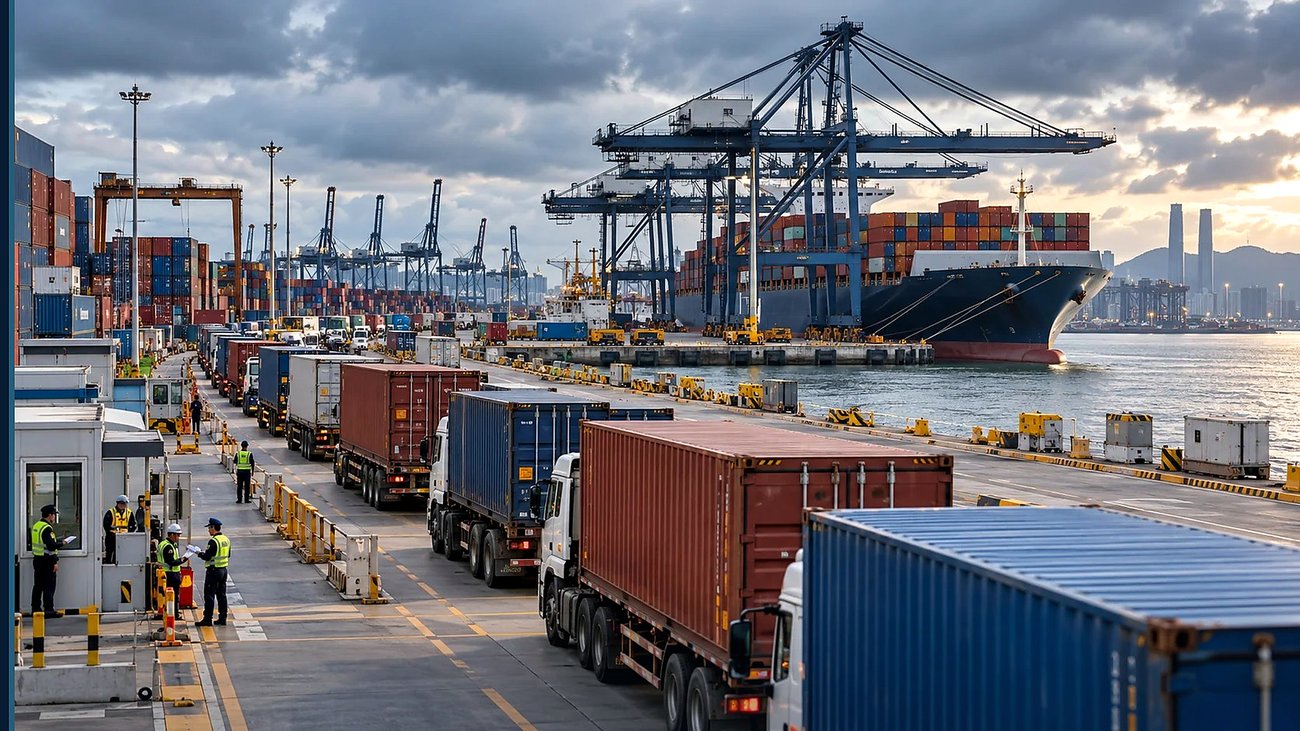
International shipment delays rarely come from one mysterious event. They usually begin at a specific handoff: cargo is not ready, dimensions change, a booking is rolled, documentation is inconsistent, customs requests more information, a terminal becomes congested or a delivery appointment is missed. The useful response is therefore not simply “track the shipment more closely.” It is to identify which milestones are controllable and build earlier decision points around them.
Supply-chain resilience comes from turning visibility into action. An ETA that changes after the business has already stocked out is information, but not useful control. Procurement and logistics teams need trigger points, owners and alternatives before the delay becomes commercially expensive.
Supplier readiness and origin delays
Production completion dates are often treated as fixed even when quality checks, packaging or export paperwork are still unfinished. For operations teams, the decision should be documented against the inventory date, receiving constraints and the agreed exception process. That record makes later changes easier to evaluate because the business can see which assumption has changed and what trade-off a new route would create.
A cargo-ready date should mean the shipment is packed, labeled, documented and physically available for pickup. For operations teams, the decision should be documented against the inventory date, receiving constraints and the agreed exception process. That record makes later changes easier to evaluate because the business can see which assumption has changed and what trade-off a new route would create.
Multi-supplier consolidations can be delayed by the last supplier, so cutoff rules and partial-shipment decisions should be agreed in advance. For operations teams, the decision should be documented against the inventory date, receiving constraints and the agreed exception process. That record makes later changes easier to evaluate because the business can see which assumption has changed and what trade-off a new route would create.
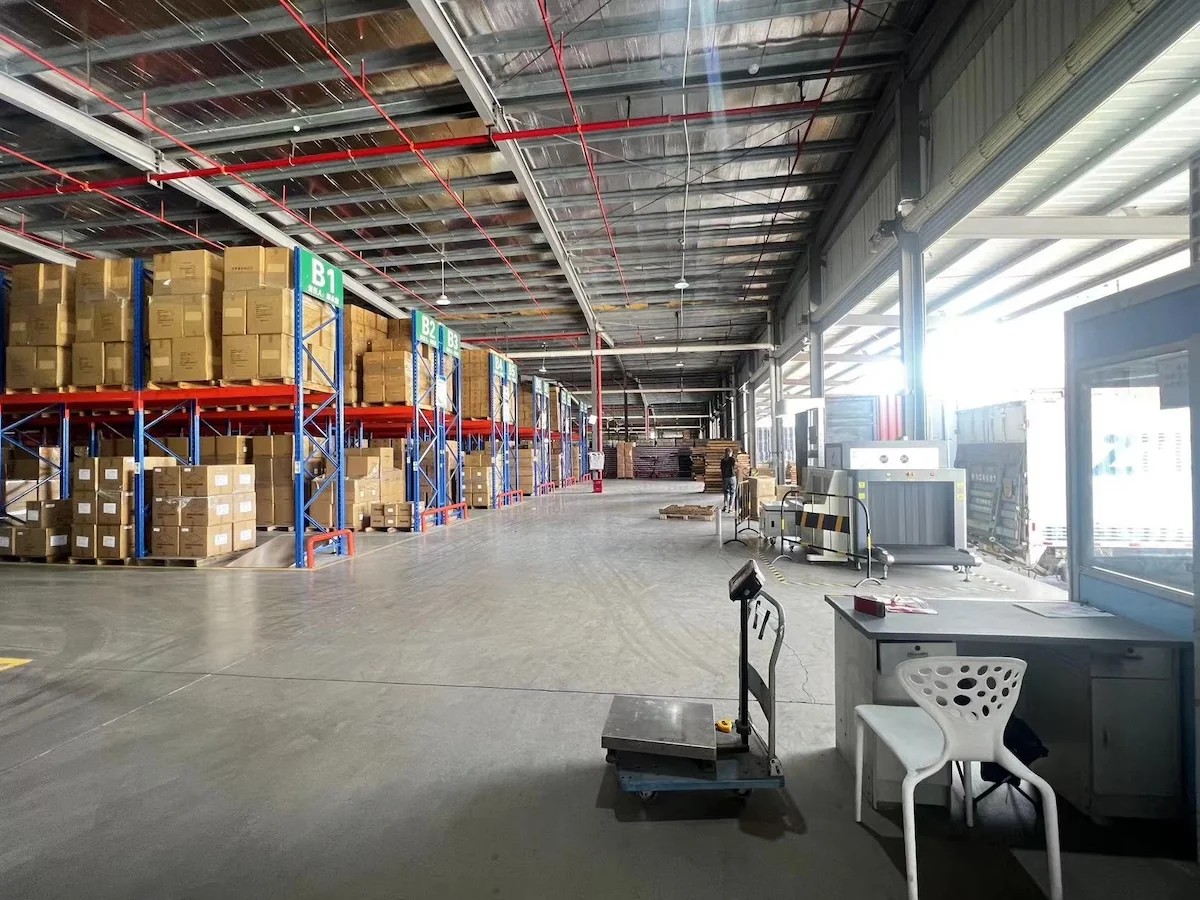
Origin warehouse receiving creates a useful verification point before main-carriage bookings become expensive to change. For operations teams, the decision should be documented against the inventory date, receiving constraints and the agreed exception process. That record makes later changes easier to evaluate because the business can see which assumption has changed and what trade-off a new route would create.
Booking, capacity and carrier schedule changes
Peak demand can tighten air or ocean capacity and push cargo to later departures. For operations teams, the decision should be documented against the inventory date, receiving constraints and the agreed exception process. That record makes later changes easier to evaluate because the business can see which assumption has changed and what trade-off a new route would create.
Ocean cargo can be rolled when vessel space or operational conditions change. For operations teams, the decision should be documented against the inventory date, receiving constraints and the agreed exception process. That record makes later changes easier to evaluate because the business can see which assumption has changed and what trade-off a new route would create.
Flight routings can be rebooked or split, especially when capacity is constrained. For operations teams, the decision should be documented against the inventory date, receiving constraints and the agreed exception process. That record makes later changes easier to evaluate because the business can see which assumption has changed and what trade-off a new route would create.
Book earlier on critical lanes and decide what premium or alternate-routing thresholds the business is willing to use. For operations teams, the decision should be documented against the inventory date, receiving constraints and the agreed exception process. That record makes later changes easier to evaluate because the business can see which assumption has changed and what trade-off a new route would create.
Port, airport and terminal congestion

Congestion adds queueing and handling time outside the published main-carriage schedule. For operations teams, the decision should be documented against the inventory date, receiving constraints and the agreed exception process. That record makes later changes easier to evaluate because the business can see which assumption has changed and what trade-off a new route would create.
Container availability, chassis, labor, weather and local traffic can compound the delay. For operations teams, the decision should be documented against the inventory date, receiving constraints and the agreed exception process. That record makes later changes easier to evaluate because the business can see which assumption has changed and what trade-off a new route would create.
A vessel arriving on time does not guarantee immediate cargo availability. For operations teams, the decision should be documented against the inventory date, receiving constraints and the agreed exception process. That record makes later changes easier to evaluate because the business can see which assumption has changed and what trade-off a new route would create.
Operational plans should monitor terminal milestones and free-time exposure rather than relying only on the vessel ETA. For operations teams, the decision should be documented against the inventory date, receiving constraints and the agreed exception process. That record makes later changes easier to evaluate because the business can see which assumption has changed and what trade-off a new route would create.
Customs and regulatory holds
Vague descriptions, inconsistent values, missing classifications or product-specific requirements can trigger questions and holds. For operations teams, the decision should be documented against the inventory date, receiving constraints and the agreed exception process. That record makes later changes easier to evaluate because the business can see which assumption has changed and what trade-off a new route would create.
Customs may also inspect shipments even when documents are complete. For operations teams, the decision should be documented against the inventory date, receiving constraints and the agreed exception process. That record makes later changes easier to evaluate because the business can see which assumption has changed and what trade-off a new route would create.
The best preventive measure is clean product master data and pre-shipment review, not emergency document creation after arrival. For operations teams, the decision should be documented against the inventory date, receiving constraints and the agreed exception process. That record makes later changes easier to evaluate because the business can see which assumption has changed and what trade-off a new route would create.
Assign a person who can answer broker or customs questions quickly with source documentation. For operations teams, the decision should be documented against the inventory date, receiving constraints and the agreed exception process. That record makes later changes easier to evaluate because the business can see which assumption has changed and what trade-off a new route would create.
Documentation errors
Invoice and packing-list mismatches can delay export, import or transport-document issuance. For operations teams, the decision should be documented against the inventory date, receiving constraints and the agreed exception process. That record makes later changes easier to evaluate because the business can see which assumption has changed and what trade-off a new route would create.
Wrong consignee details or late bill-of-lading corrections can interrupt release processes. For operations teams, the decision should be documented against the inventory date, receiving constraints and the agreed exception process. That record makes later changes easier to evaluate because the business can see which assumption has changed and what trade-off a new route would create.
Dangerous goods or battery declarations need extra attention because carrier acceptance can fail before the shipment departs. For operations teams, the decision should be documented against the inventory date, receiving constraints and the agreed exception process. That record makes later changes easier to evaluate because the business can see which assumption has changed and what trade-off a new route would create.
Use approval deadlines and version control for every document set. For operations teams, the decision should be documented against the inventory date, receiving constraints and the agreed exception process. That record makes later changes easier to evaluate because the business can see which assumption has changed and what trade-off a new route would create.
Weather, geopolitical and network disruptions
Storms, route closures, strikes, conflict and infrastructure failures can change routings with little notice. For operations teams, the decision should be documented against the inventory date, receiving constraints and the agreed exception process. That record makes later changes easier to evaluate because the business can see which assumption has changed and what trade-off a new route would create.
The business cannot prevent these events, but it can reduce exposure through buffers, alternative modes and supplier/inventory segmentation. For operations teams, the decision should be documented against the inventory date, receiving constraints and the agreed exception process. That record makes later changes easier to evaluate because the business can see which assumption has changed and what trade-off a new route would create.
Critical SKUs should have predefined escalation options rather than waiting for a crisis meeting. For operations teams, the decision should be documented against the inventory date, receiving constraints and the agreed exception process. That record makes later changes easier to evaluate because the business can see which assumption has changed and what trade-off a new route would create.
Market intelligence should feed transport planning when conditions are changing rapidly. For operations teams, the decision should be documented against the inventory date, receiving constraints and the agreed exception process. That record makes later changes easier to evaluate because the business can see which assumption has changed and what trade-off a new route would create.

Final-mile and receiving delays
Warehouse appointments, retailer compliance, limited receiving hours and remote delivery can delay the last leg. For operations teams, the decision should be documented against the inventory date, receiving constraints and the agreed exception process. That record makes later changes easier to evaluate because the business can see which assumption has changed and what trade-off a new route would create.
A delivery failure can create redelivery, storage or waiting costs even after international transport was successful. For operations teams, the decision should be documented against the inventory date, receiving constraints and the agreed exception process. That record makes later changes easier to evaluate because the business can see which assumption has changed and what trade-off a new route would create.
Confirm final-mile requirements before the shipment departs China and keep receiving contacts current. For operations teams, the decision should be documented against the inventory date, receiving constraints and the agreed exception process. That record makes later changes easier to evaluate because the business can see which assumption has changed and what trade-off a new route would create.
For FBA or retail programs, labels and appointment processes should be treated as part of the freight workflow. For operations teams, the decision should be documented against the inventory date, receiving constraints and the agreed exception process. That record makes later changes easier to evaluate because the business can see which assumption has changed and what trade-off a new route would create.
Create an exception-management operating model
Define the milestones that matter: cargo ready, pickup, warehouse received, booking confirmed, departed, arrived, customs cleared, out for delivery and delivered. For operations teams, the decision should be documented against the inventory date, receiving constraints and the agreed exception process. That record makes later changes easier to evaluate because the business can see which assumption has changed and what trade-off a new route would create.
Set thresholds that require action, such as a missed cutoff, rolled booking or customs hold. For operations teams, the decision should be documented against the inventory date, receiving constraints and the agreed exception process. That record makes later changes easier to evaluate because the business can see which assumption has changed and what trade-off a new route would create.
Assign an owner and decision authority for each exception type. For operations teams, the decision should be documented against the inventory date, receiving constraints and the agreed exception process. That record makes later changes easier to evaluate because the business can see which assumption has changed and what trade-off a new route would create.
After delivery, record the root cause and corrective action so the same delay is less likely to repeat. For operations teams, the decision should be documented against the inventory date, receiving constraints and the agreed exception process. That record makes later changes easier to evaluate because the business can see which assumption has changed and what trade-off a new route would create.
Decision table
| Decision area | What to confirm | Why it matters |
|---|---|---|
| Cargo facts | Commodity, cartons, actual weight, dimensions and handling characteristics | Freight pricing and carrier acceptance depend on the physical shipment, not only the purchase order. |
| Route scope | Pickup point, main mode, gateway and final delivery point | Two quotes are not comparable if they cover different segments of the journey. |
| Customs data | Description, value, classification, origin and importer/broker setup | Clean customs data reduces avoidable questions and supports landed-cost planning. |
| Inventory date | Required receipt date and acceptable schedule buffer | Mode and routing should protect the business requirement, not only minimize transport spend. |
| Exceptions | Storage, inspection, delay, redelivery and escalation process | A clear exception plan reduces surprise cost and decision time when the shipment deviates from plan. |
Importer checklist
- Real cargo-ready definition
- Booking lead-time policy
- Alternative mode/routing thresholds
- Document approval deadlines
- Customs product master data
- Milestone ownership
- Receiving appointment confirmation
- Exception escalation contacts
- Inventory buffer for critical SKUs
- Post-shipment root-cause review
How the decision changes by destination market
United States
For the United States, combine freight planning with importer-of-record, customs-broker, tariff and final receiving requirements. Port or airport choice should be evaluated against domestic delivery, not in isolation. E-commerce and retailer programs can add appointment, labeling and compliance steps that deserve their own lead time. The same principle applies here: compare the complete operating chain and confirm market-specific requirements before cargo is committed to a route.
Canada
For Canada, destination geography can make final-mile cost a major share of the total shipment. Confirm customs and tax handling, then compare gateways based on the actual delivery province and warehouse rather than assuming the nearest international gateway is always best. The same principle applies here: compare the complete operating chain and confirm market-specific requirements before cargo is committed to a route.
United Kingdom
For the United Kingdom, treat customs and tax planning as a distinct destination workflow rather than an extension of EU processes. The consignee/importer setup, commodity data and final delivery appointment should be clear before departure. The same principle applies here: compare the complete operating chain and confirm market-specific requirements before cargo is committed to a route.
European Union
For EU destinations, customs, VAT structure, product regulation and intra-European distribution can interact. The best arrival gateway for a regional supply chain may differ from the country where the goods are ultimately sold, so legal and logistics planning should be aligned. The same principle applies here: compare the complete operating chain and confirm market-specific requirements before cargo is committed to a route.
Australia
For Australia, biosecurity and product-specific import conditions can be as important as the freight mode. Packaging materials, cargo cleanliness and accurate declarations should be reviewed early for relevant goods. The same principle applies here: compare the complete operating chain and confirm market-specific requirements before cargo is committed to a route.
UAE and Gulf markets
For the UAE and Gulf markets, door-delivery planning should reflect destination customs requirements, consignee readiness and local receiving conditions. Commercial-document accuracy and a clear final-mile contact reduce avoidable handoff delays. The same principle applies here: compare the complete operating chain and confirm market-specific requirements before cargo is committed to a route.
Frequently asked questions
What causes the most freight delays?
Common causes include supplier readiness, capacity changes, congestion, documentation, customs and final-mile receiving problems.
Can tracking prevent delays?
Tracking alone cannot, but timely milestones combined with predefined actions can reduce the commercial impact.
How much buffer should I add?
It depends on lane, mode, season and business tolerance. Use historical performance rather than a universal number.
What should I do if cargo is rolled?
Confirm the new departure, assess the inventory impact, consider alternate routing or air for critical quantity, and update stakeholders.
How can I reduce customs delays?
Maintain accurate product descriptions, classifications, values and required certificates, and respond quickly to broker questions.
How should we learn from delays?
Record root cause, cost, timeline and corrective action, then update SOPs and supplier/forwarder scorecards.
Next steps
Before requesting a final freight rate, prepare the shipment facts and decide which trade-offs matter most: cost, timing, control, customs responsibility, delivery complexity or inventory risk. YUJINTONG can then review the cargo and build a route around those constraints rather than forcing every shipment into the same template.
Related resources: Track your shipment · Shipping documents checklist · Discuss a high-risk shipment
Operational field notes
A useful operating habit is to separate assumptions from confirmed facts. Supplier-provided dimensions, tentative cargo-ready dates and estimated customs classifications should be marked as provisional until the responsible party has verified them. This prevents planning documents from looking more certain than the underlying information really is. When a provisional assumption changes, the team can immediately see which rate, booking or inventory decision needs to be reviewed.
Procurement and logistics teams should also keep a short decision log for material route changes. Record why the original mode was selected, what event caused the change, which alternatives were considered and who approved the additional cost or timing trade-off. This creates better supplier and forwarder reviews later and avoids repeating the same debate during the next disruption.
Another improvement is to standardize shipment master data. A controlled file containing product descriptions, HS classifications used for planning, dimensions, battery status, packaging type, country of origin and compliance references reduces rework across quotations, bookings and customs communication. The data still needs route-specific validation, but teams start from a better baseline.
Visibility is most valuable when it is linked to action. Instead of collecting dozens of milestones, identify the moments that can change a business decision: supplier late, cargo measured differently, booking not confirmed, departure missed, customs hold, free time at risk or delivery appointment rejected. Each critical event should have an owner, a response target and an escalation path.